Is Blue Mountain worth it? It is one of the most-searched questions about the area, and it deserves an honest answer — not a brochure pitch. We run a chalet rental business here, so obviously we have skin in the game. But we also live and work in this area year-round, and we would rather set accurate expectations than have disappointed guests.
Here is the candid, season-by-season assessment.
Winter (December through March)
The Case For
Winter is Blue Mountain's signature season, and there is a reason it draws hundreds of thousands of visitors annually. Blue Mountain Resort is Ontario's largest ski area, offering 43 trails across 364 skiable acres with 98% snowmaking coverage. That snowmaking figure is important — it means the season is consistent and reliable regardless of natural snowfall.
The resort runs multiple high-speed lifts, offers night skiing on select evenings, and maintains terrain for every ability level from first-time beginners to confident experts. Lift lines on weekdays are manageable, and even weekend mornings before 10:00 AM are reasonable.
Beyond skiing, the winter experience includes a vibrant pedestrian village, excellent dining, a tube park, outdoor skating loop, snowshoeing, and the Scandinave Spa. The combination of skiing by day and hot tub, fireplace, and village strolling by night creates an atmosphere that is difficult to replicate anywhere else within a weekend drive of Toronto.
The Honest Limitations
Let us be transparent: Blue Mountain is not a Rocky Mountain resort. The vertical drop is 720 feet compared to Whistler's 5,280 feet. Expert skiers who have spent time out west will find the terrain limited. There are no bowls, no backcountry gates, no above-treeline alpine terrain.
The skiing is excellent for Ontario. It is arguably the best in the province. But it competes on convenience (2 hours from Toronto versus 7 hours to Tremblant or a flight to the Rockies), consistency (snowmaking ensures a reliable season), and the overall resort experience rather than on raw mountain terrain. If you are weighing the two, our Blue Mountain vs Mont-Tremblant comparison breaks it down in detail.
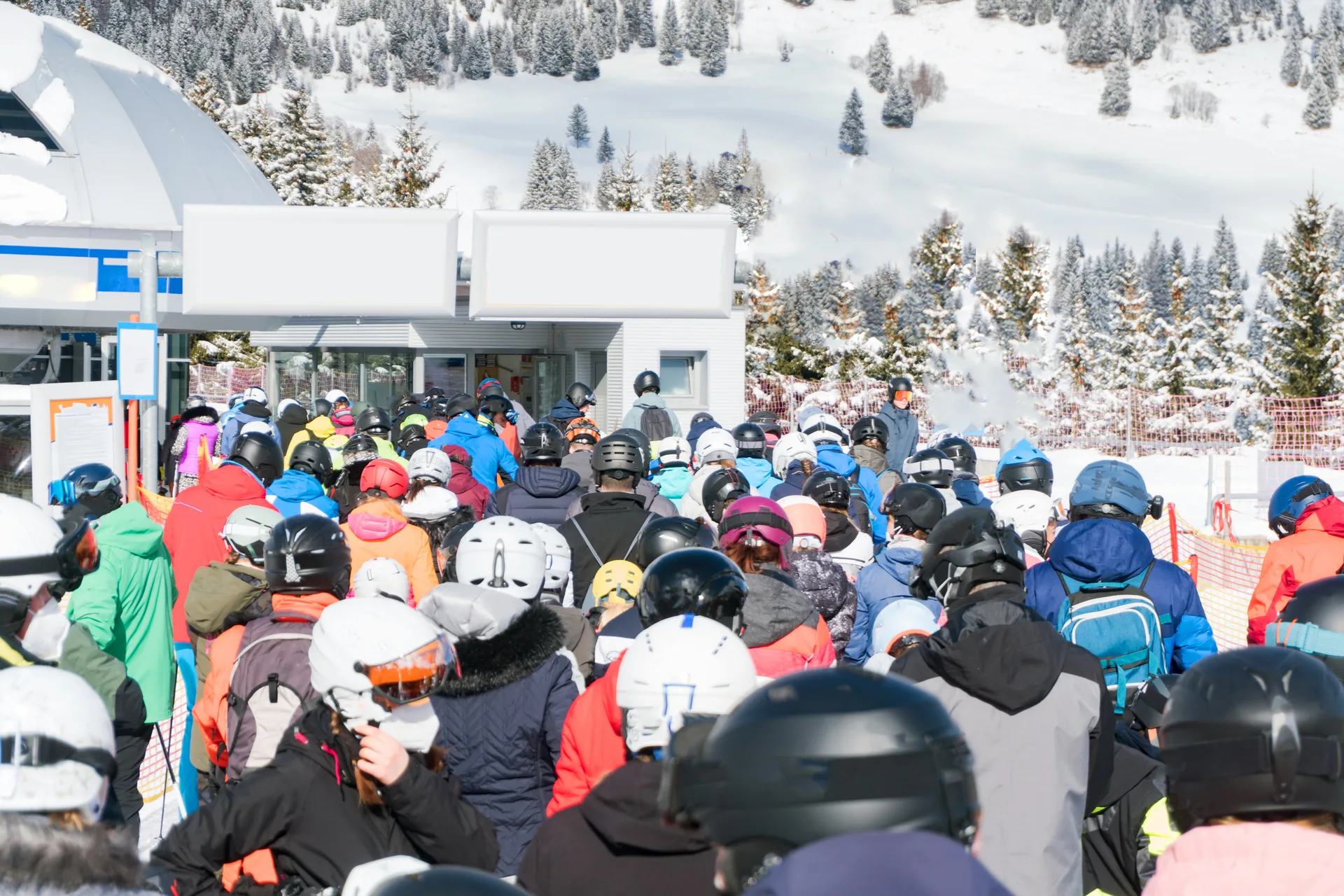
Weekend crowds in January and February are real. Lift lines can stretch to 15 to 20 minutes on peak Saturdays, and the village gets busy. Midweek visits are dramatically better.
Winter Verdict
Yes, worth it — especially for families, intermediate skiers, groups, and anyone who wants a ski-and-stay weekend without burning a vacation day on travel. If you are an expert skier seeking challenging terrain, adjust expectations or focus on the overall experience rather than just the skiing.
Summer (June through August)
The Case For
This is where Blue Mountain surprises people. Summer at Blue Mountain is arguably a better experience than winter for many visitors, and most Ontarians have no idea.
The mountain transforms into an adventure playground: Ridge Runner Mountain Coaster, Timber Challenge High Ropes Course, Wind Rider Triple Zip Line, Open-Air Gondola, mountain biking trails, and more. Georgian Bay beaches — including Wasaga Beach, the longest freshwater beach in the world — are 20 to 30 minutes away. The hiking is superb, with the Bruce Trail running directly through the area.
Cycling on the Georgian Trail (34 kilometres of paved lakeside path), paddleboarding on Georgian Bay, golfing at multiple courses, exploring Collingwood and Thornbury, and dining on patios with Escarpment views round out the summer experience.
The village hosts outdoor concerts, festivals, and events throughout summer. Restaurants open their patios, and the entire area takes on a relaxed, vacation atmosphere.
The Honest Limitations
Summer weekends, particularly long weekends, are busy. Highway 26 can crawl on Friday evenings and Sunday afternoons. Popular beaches fill up by mid-morning on hot weekends. Restaurant patios require reservations.
The Georgian Bay water is cold. Surface temperatures are usually 15 to 20°C even in peak summer, which some visitors find refreshing and others find unpleasant. Wasaga Beach, being shallower, warms up faster.
Accommodation prices peak in July and August, particularly around the Civic Holiday long weekend.
Summer Verdict
Absolutely worth it — and potentially the better visit compared to winter for visitors who are not specifically coming to ski. The variety of activities, natural beauty, and overall atmosphere make summer Blue Mountain a legitimate vacation destination rather than just a ski resort in the off-season.
Fall (September through November)
The Case For
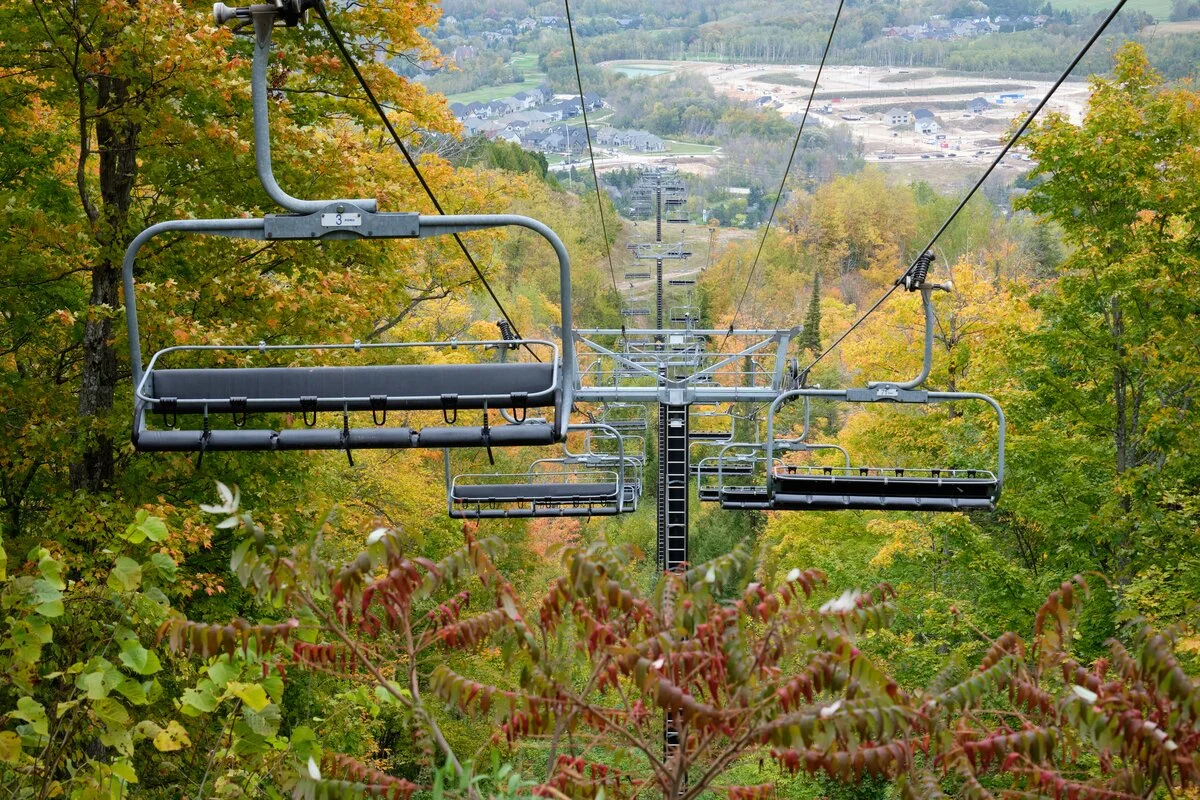
Fall might be Blue Mountain's best-kept secret. The Niagara Escarpment puts on one of Ontario's most impressive fall colour displays, typically peaking in mid-October. The ridge-top views from the gondola, Scenic Caves suspension bridge, and Bruce Trail lookouts are spectacular.
The Apple Pie Trail is at its peak, connecting local orchards, bakeries, and restaurants in a self-guided culinary tour. Thornbury Craft Cider Co. is pressing fresh cider. Farmers markets are bursting with harvest produce.
September offers warm weather with zero humidity and virtually no crowds (see our dedicated September guide). October brings peak foliage and Thanksgiving celebrations. November is the quietest month with the deepest accommodation discounts.
The Honest Limitations
Late October and November can be grey and rainy. The period between fall colour season and ski season opening (roughly late October through mid-December) is genuinely quiet, and some attractions reduce their hours or close for the season. Choose dates that work for your group and keep the outdoor plan flexible.
Fall Verdict
The best time to go if your schedule is flexible. The combination of fall colours, harvest season, perfect weather (especially September and early October), lower prices, and dramatically fewer crowds makes fall the optimal season for visitors who are not tied to a ski trip.
Spring (April through May)
The Case For
Spring is the value play. Accommodation rates are at their annual low, with savings of 25 to 35 percent compared to peak winter. The ski season often extends through mid-April with spring skiing conditions (warm sun, soft snow, short lines). Apple orchards bloom in May, wildflowers cover the Escarpment, and waterfalls run at peak flow from snowmelt.
The cycling season opens, the Georgian Trail is accessible, and the hiking is excellent once trails dry out by mid-to-late April.
The Honest Limitations
Early April is mud season. Some trails close temporarily to prevent erosion damage. Not all summer activities have opened yet. The period between ski season ending and summer activity season beginning (roughly mid-April to late May) has fewer structured activities, though nature-based exploration is excellent.
Spring Verdict
Worth it for value seekers and nature lovers. You will not find the resort at its most active, but you will find the area at its most affordable and arguably its most beautiful in a subtle, understated way.
Honest Complaints Addressed
We hear the criticisms, and they deserve direct responses.
"The village feels touristy"
It is a resort village. That is what resort villages feel like. But here is the important context: Collingwood (10 minutes) and Thornbury (10 minutes) are authentic, independent small towns with their own character, locally owned shops, and genuine community. If the village feels manufactured, drive 10 minutes in either direction and you will find the real thing.
"Parking is expensive"
Resort day parking is approximately $30 per day, which stings. However, guests staying at Blue View Chalets have free parking at their chalet and are a short drive from the resort. For a fuller picture of what a trip runs, see our complete Blue Mountain budget breakdown. The parking cost is a day-visitor issue, not a staying-guest issue.
"Food in the village is overpriced"
Some village restaurants do charge resort premiums. This is true and we will not pretend otherwise. The solution is Collingwood, which has an incredible restaurant scene at normal prices. Tremont Café, The Huron Club, Crow Bar & Variety, Azzurra Trattoria — these are legitimately excellent restaurants at standard Ontario pricing. Staying in a chalet with a full kitchen also means you can cook most meals and save dining out for special evenings.
"It is not a real mountain"
Correct. Nobody here is claiming it is Whistler, Banff, or Tremblant. Blue Mountain is the best mountain within a 2-hour drive of Canada's largest city. It is the weekend getaway that does not require a flight or a full day of driving. That is its value proposition, and it delivers on it extremely well.
"It is too far from Toronto"
It is approximately 150 kilometres from Toronto, which takes about 1.5 to 2 hours depending on traffic. By Ontario cottage country standards, this is actually quite close. Muskoka is 2 to 2.5 hours. Prince Edward County is 2.5 hours. Tremblant is 6 to 7 hours. Blue Mountain is among the most accessible resort destinations from the GTA.
The Bottom Line — Is Blue Mountain Worth It? An Honest Season-by-Season Assessment
If you live within 3 hours of Blue Mountain, it is absolutely worth visiting. The question is not if — it is when.
- Ski trip with family or friends? Winter, midweek if possible.
- Best all-around experience? Summer or September.
- Most beautiful and peaceful? Fall, especially early-to-mid October.
- Best value? Spring or November.
The honest truth is that Blue Mountain punches above its weight. It is not the biggest mountain, the most exclusive destination, or the cheapest option. But it consistently delivers memorable experiences across all four seasons, it is accessible for a weekend trip, and the surrounding area — Collingwood, Thornbury, the Escarpment — adds genuine depth that elevates it beyond a typical resort.
Experience It Yourself
We have 10 luxury chalets at Blue View Chalets, each with hot tubs, fireplaces, and full kitchens. Whether you are planning a winter ski trip, a summer adventure weekend, a fall colour tour, or a spring value getaway, our properties put you in the heart of everything Blue Mountain has to offer.
Browse availability at Blue View Chalets and find the season that is right for you.
The case for the destination itself is made in why Blue Mountain.
Or call us at (416) 203-2057