Blue Mountain is not just for skiers. The resort has invested significantly in its terrain parks and snowboard-friendly infrastructure, making it a legitimate destination for riders of all levels. Whether you are learning your first turns or sessioning park features, here is everything you need to know about snowboarding at Blue Mountain.
Terrain Parks Overview
Blue Mountain operates multiple terrain parks that cater to different ability levels. The parks are maintained by a dedicated crew that shapes, builds, and grooms features throughout the season.
L.O.L. (Lots of Learning) Park
This entry-level park is designed for riders who are new to freestyle terrain. Features include:
- Small tabletop jumps with gentle landings
- Low boxes with wide surfaces
- Mini rails at ground level
- Rollers and small berms
The L.O.L. park is located on accessible beginner-to-intermediate terrain, so you do not need advanced riding skills to start learning park basics. It is an excellent place for first-time park riders to build confidence.
Badlands Terrain Park
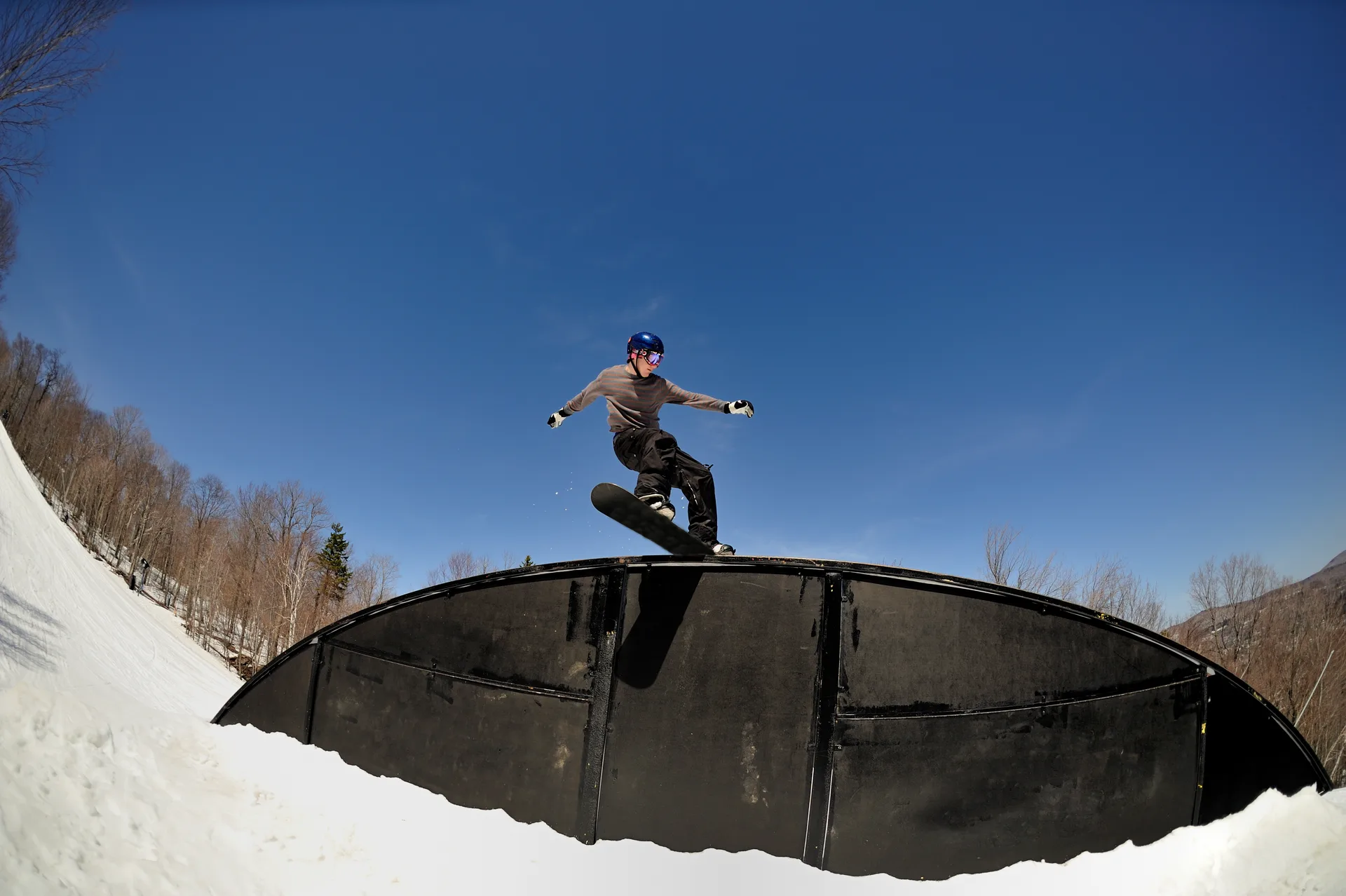
Badlands is Blue Mountain's main terrain park, featuring a progressive line of medium to large features:
- Medium and large tabletop jumps with proper take-offs and landings
- A variety of rails including flat bars, down rails, and kinked rails
- Boxes of various sizes and configurations
- A halfpipe (when conditions permit)
- Creative features that change throughout the season
The park crew regularly updates the features in Badlands, so there is always something new to try even if you visit multiple times during the season.
Progression Strategy
The smart approach to Blue Mountain's parks is to start in L.O.L. regardless of your skill level. Use it to warm up, get comfortable with the snow conditions, and dial in your speed for jumps and features. Once you feel confident, move to Badlands and work through the features from smallest to largest.
Best Runs for Snowboarders
Not all ski runs are equally fun on a snowboard. Flat sections and cat tracks that skiers can pole through become frustrating obstacles for boarders. For the full picture across abilities, see our guide to the best ski runs at Blue Mountain. Here are the runs that ride best:
Great Runs for Boarders
- Cascade — Consistent pitch with no flat spots. Wide enough for big carving turns.
- Dynamite — Steep enough to maintain speed and generate excitement. Best when groomed.
- Big Baby — Fun intermediate run with a natural flow that suits snowboarding.
- Easy Rider — Good for warming up, with consistent fall line and no frustrating flats.
Runs to Avoid on a Snowboard
- Any long traversing cat tracks connecting different sections of the mountain
- Runs with extended flat sections at the bottom where you lose momentum
- The very bottom of some runs near the base area where terrain flattens out
Learning to Snowboard at Blue Mountain
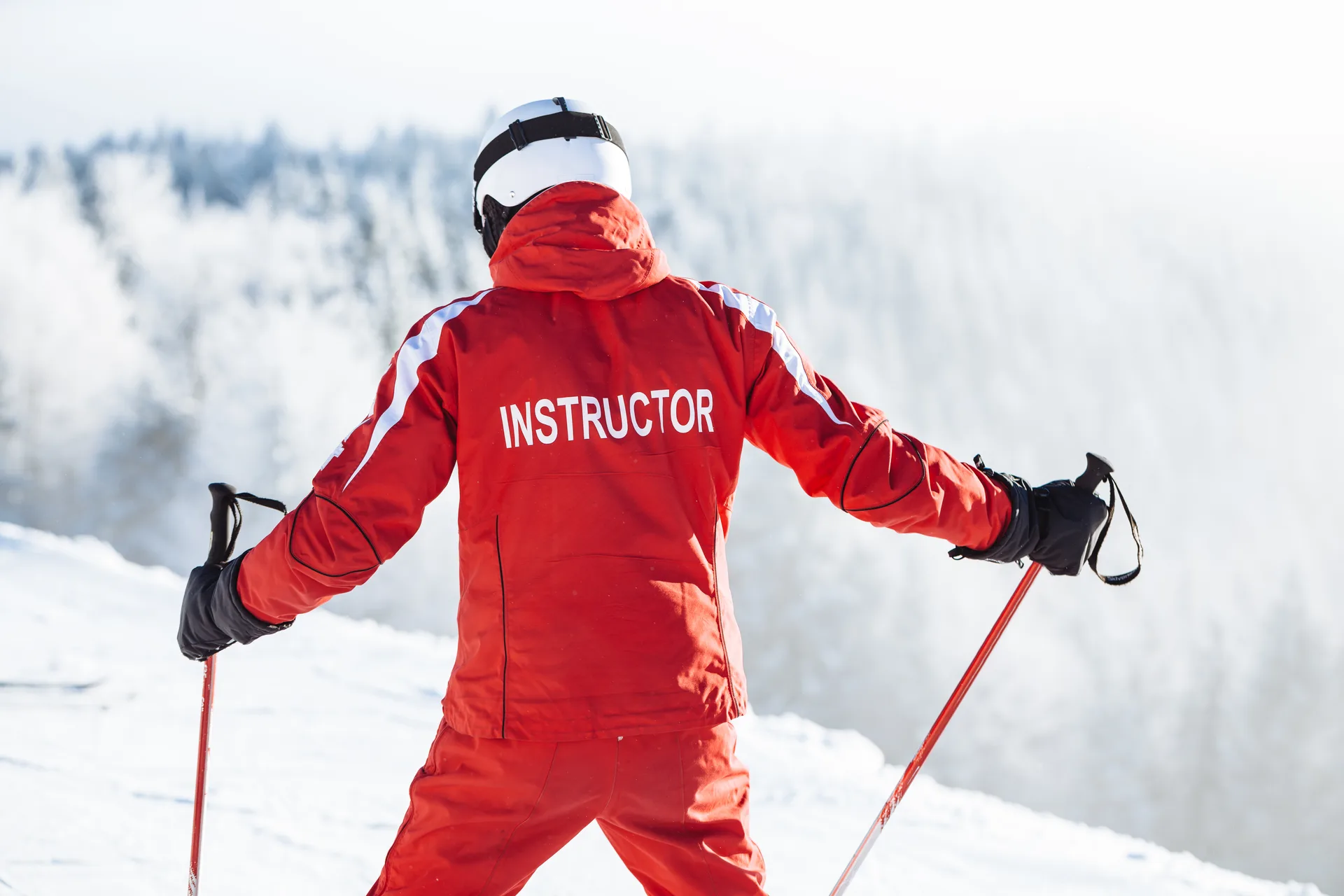
Lessons
Blue Mountain offers snowboard lessons for all ages and levels through its Snow School. Options include:
- First-timer packages — Include lift ticket, rental equipment, and a group lesson. This is the most cost-effective way to try snowboarding.
- Group lessons — Organized by ability level, typically 2 hours
- Private lessons — One-on-one instruction that accelerates learning significantly
- Kids programs — Age-appropriate instruction for children
Tips for First-Time Snowboarders
- Take a lesson — Snowboarding has a steep initial learning curve. A lesson will save you hours of frustration and reduce your risk of injury.
- Wear wrist guards — The most common snowboard injury is a wrist fracture from falling. Wrist guards are inexpensive insurance.
- Wear a helmet — Beginners fall backward frequently. A helmet is essential.
- Dress for falling — You will spend a lot of time sitting in the snow. Waterproof pants and good gloves are critical.
- Be patient — Day one on a snowboard is hard. Day two is dramatically better. Commit to at least two days before deciding whether you enjoy it.
Gear Considerations
Renting vs Buying
For occasional riders, renting at Blue Mountain or a Collingwood shop is the smart choice. Rental equipment has improved significantly and is well-maintained. If you ride more than five times per season, buying your own setup makes financial sense and gives you equipment tuned to your preferences. Heading up with the family? Our family ski trip packing list covers what to bring for everyone.
Board Types
- All-mountain — Versatile board that handles groomed runs, powder, and light park riding. Best for most riders.
- Freestyle — Shorter, more flexible board designed for terrain parks and tricks
- Freeride — Stiffer, directional board designed for speed and variable terrain
What to Bring — Snowboarding and Terrain Parks at Blue Mountain
- Snowboard, boots, and bindings (or plan to rent)
- Helmet
- Goggles
- Waterproof jacket and pants
- Layered clothing (moisture-wicking base, insulating mid, waterproof outer)
- Wrist guards (especially for learning riders)
- Impact shorts (optional but helpful for learning)
The Snowboard Culture at Blue Mountain
Blue Mountain has a strong snowboard community. The terrain park regulars are generally welcoming and encouraging, and there is a good mix of riders from beginners to advanced park rats. The resort hosts several snowboard events and competitions throughout the season, including rail jams and slopestyle competitions that are fun to watch even if you are not competing.
After Riding
After a day of riding, the apres-ski scene in Blue Mountain Village is just as enjoyable for snowboarders as it is for skiers. Our apres-ski guide rounds up the best bars and restaurants. Copper Blues is a popular gathering spot with live music on weekends, and several restaurants in the Village offer hearty food to refuel after a long day.
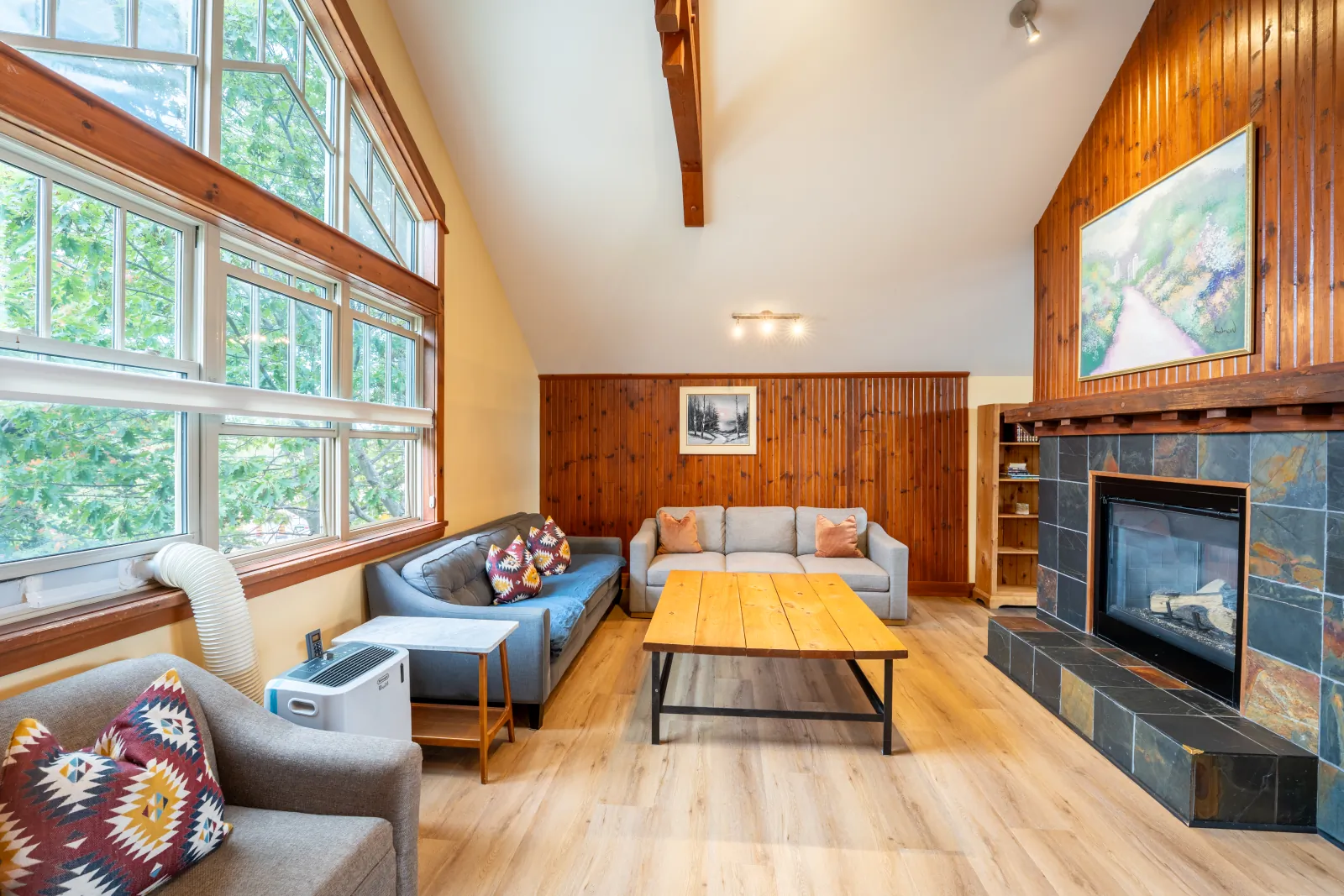
For groups staying at Blue View Chalets, the hot tub is the ultimate post-riding recovery tool. Soak your tired muscles, share stories about the day's best runs and worst falls, and relax in the comfort of your own private chalet. Our chalets are large enough for snowboard groups to spread out, store their gear, and enjoy evenings together without the constraints of hotel rooms.
Or call us at (416) 203-2057