Snowmobiling in Ontario is not just a recreational activity — it is a full-scale winter transportation and adventure system. The Ontario Federation of Snowmobile Clubs (OFSC) maintains a vast network of groomed trails that connect communities, traverse forests and farmland, and provide access to some of the most beautiful winter landscapes in the province. The Blue Mountain area sits right in the middle of this network, making it an excellent base for both first-time riders and experienced snowmobilers.
Whether you want to rent a sled for a few hours or spend an entire day exploring the trails of Grey and Simcoe Counties, this guide covers everything you need to know — and it slots neatly alongside other winter pursuits like ice fishing on Georgian Bay and cross-country skiing and snowshoeing.
The Trail System
OFSC Trail Network
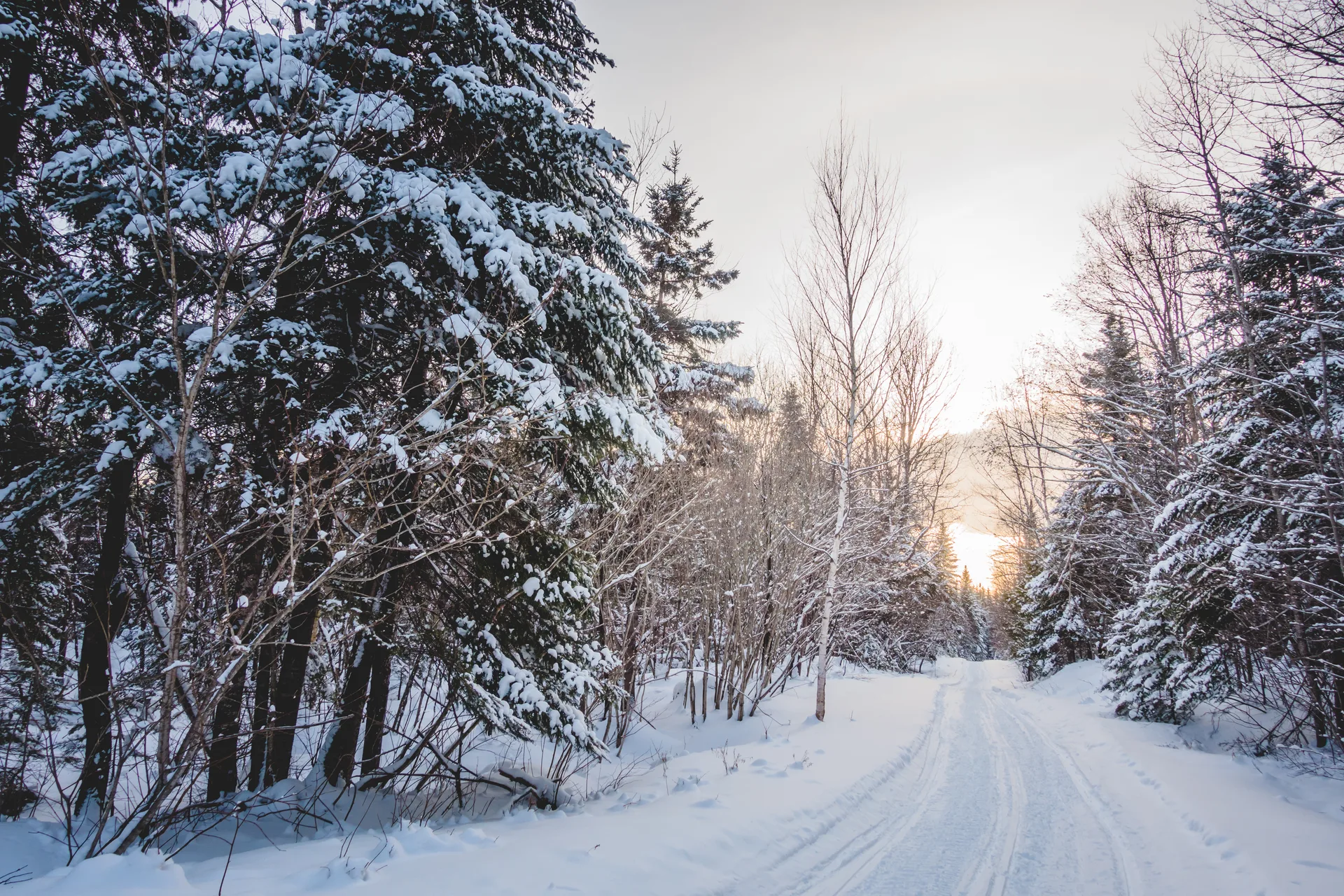
The Ontario Federation of Snowmobile Clubs manages one of the largest groomed trail systems in the world. In the Blue Mountain area, hundreds of kilometres of interconnected trails wind through forests, across farmland, and through small towns throughout Grey and Simcoe Counties.
These are not rough backcountry paths. OFSC trails are groomed by full-size trail groomers, signed with distance markers and directional indicators, and monitored for safety. Think of them as winter highways through the countryside — well-maintained corridors that allow you to travel significant distances in comfort and relative safety.
Local Trail Highlights
- Simcoe County loops — The trails south of Blue Mountain pass through beautiful rolling terrain, hardwood forests, and open farmland. Several loop options allow you to choose rides ranging from one hour to a full day.
- Grey County corridors — Heading west and south from the Blue Mountain area, these trails connect through some of the most scenic winter landscape in southern Ontario, including sections near the Beaver Valley and the Niagara Escarpment.
- Town connections — Many trails pass directly through small towns, allowing you to stop for lunch at a local restaurant or coffee shop. Arriving at a roadside diner on a snowmobile is a uniquely Ontario winter experience.
The Experience — Snowmobiling Near Blue Mountain
Snowmobiling through the countryside near Blue Mountain is unlike anything else you can do in winter. The speed ranges from a gentle 20 km/h on wooded single-track sections to an exhilarating 80 km/h on wide, open corridors. The landscape unfolding around you — frozen fields, snow-laden forests, frozen creeks — is stunning in a way that you simply cannot experience from inside a car.
The sound of the sled, the feel of the cold air, and the rhythmic motion of navigating the trail create a deeply immersive experience. Even on a half-day rental, you will cover enough ground to feel like you have genuinely explored the region.
Rentals and Guided Tours
Rental Options
Several outfitters near Blue Mountain rent snowmobiles and provide everything you need for a ride. A typical rental package includes:
- The snowmobile — Modern, well-maintained machines suitable for beginners and experienced riders
- Fuel — Included in most rental packages
- Safety gear — Helmet, snowmobile suit, insulated boots, and heavy gloves
- A brief orientation — Instruction on how to operate the machine, safety protocols, and trail navigation
Rental Costs
- Half-day rental (3 to 4 hours): typically $200 to $350 per machine
- Full-day rental (6 to 8 hours): typically $300 to $500 per machine
- Guided half-day tour: typically $250 to $400 per person (includes machine, gear, guide, and fuel)
- Guided full-day tour: typically $400 to $600 per person
Prices vary by operator, machine type, and season. Weekday rates are often lower than weekend rates. Booking in advance is recommended, especially during peak season weekends in January and February.
Guided Tours vs. Self-Guided
For first-time snowmobilers, a guided tour is the best option. A guide provides:
- Route planning and navigation (you do not need to read a trail map)
- Safety instruction and real-time coaching on riding technique
- Knowledge of current trail conditions and the best routes for your skill level
- Emergency support if a machine breaks down or a rider has difficulty
Experienced riders who are comfortable navigating on their own can rent machines and explore independently, provided they have a valid OFSC trail permit.
Permits and Requirements
OFSC Trail Permit
An OFSC trail permit is required to ride on the groomed trail system. The permit fee funds trail grooming, maintenance, and the volunteer network that keeps the system running.
- Seasonal permit: typically $300 to $500 (valid for the entire winter season)
- Day passes: Sometimes available through rental operators or at trail access points (availability varies)
When you rent from an outfitter, the trail permit is often included in the rental price or available as an add-on. Confirm this when booking.
Licence and Insurance
- A valid driver's licence is required to operate a snowmobile on OFSC trails
- Liability insurance is mandatory — rental operators include this in their packages
- If you are bringing your own snowmobile, verify that your insurance covers trail riding in Ontario
Age Requirements
- Riders under 12 must be accompanied by an adult on the same machine
- Riders aged 12 to 15 may operate a machine independently if they hold a valid Motorized Snow Vehicle Operator's Licence (available through accredited courses)
- Riders 16 and older with a valid driver's licence may operate independently
Best Riding Conditions
When to Go
The snowmobile season near Blue Mountain typically runs from late December through mid-March, with the best conditions occurring in January and February when the snowpack is most established.
Trail Conditions
The OFSC publishes a trail conditions report on their website (ofsc.on.ca) that is updated regularly. Trails are rated using a colour system:
- Green — Groomed and in good condition. Ideal riding.
- Yellow — Fair condition. Rideable but with some rough sections, thin snow, or obstacles.
- Red — Poor condition or closed. Do not ride.
Always check the conditions report before heading out. Trail conditions can change rapidly with temperature fluctuations, fresh snow, or warm spells.
Weather Considerations — Snowmobiling Near Blue Mountain
- Fresh snow — A few inches of fresh snow over a groomed base creates the best riding conditions. The sled handles well, the scenery is pristine, and the trail is smooth.
- Extreme cold — Below minus 20 Celsius, rides should be shorter and riders must dress extremely warmly. Frostbite risk increases significantly at speed.
- Warm spells — Temperatures near or above freezing can soften trails and create slushy, unpredictable conditions. Check the report before riding after a warm spell.
What to Wear — Snowmobiling Near Blue Mountain
Proper clothing is essential for snowmobiling. Wind chill at snowmobile speeds (40 to 80 km/h) is significant, and you will be exposed for hours at a time. Our seasonal outfit guide covers how to layer for the cold.
Essential Gear
- Helmet — Provided with all rentals. Full-face helmets with a visor or goggles are standard.
- Snowmobile suit or heavy winter gear — A one-piece insulated suit is ideal. If you do not own one, most rental operators provide suits as part of the package. Alternatively, wear insulated snow pants, a heavy winter jacket, and multiple base layers.
- Insulated waterproof boots — Your feet are stationary and exposed to cold air for the entire ride. Regular winter boots are not warm enough. Snowmobile-specific or extreme cold rated boots are necessary.
- Heavy gloves or mitts — Insulated, waterproof, and ideally with gauntlet-style cuffs that extend up the forearm. Your hands are on the handlebars and exposed to full wind chill.
- Balaclava or face shield — Protects your face from cold air and wind chill. Even with a full-face helmet, exposed skin around the neck and chin needs coverage.
- Hand and toe warmers — Disposable chemical warmers inside gloves and boots provide supplemental heat during long rides.
The Most Common Mistake
First-time snowmobilers consistently underdress. Dress warmer than you think you need to. At 60 km/h in minus 10 Celsius air, the wind chill is brutal. You can always unzip a layer if you get warm, but you cannot add layers you did not bring.
Recommended Routes for Beginners
If you are new to snowmobiling, stick to the main corridor trails for your first outing. These are wider, flatter, and more consistently groomed than the secondary trails and wooded single-track sections.
What to Expect — Snowmobiling Near Blue Mountain
- Main corridors are typically 8 to 12 feet wide with gentle curves and gradual elevation changes
- Speed limits vary by section — posted signs indicate maximum speeds
- Trail intersections are signed with distance markers to nearby communities
- Regular stops are possible at towns along the route for food, fuel, and warmth
For Experienced Riders
Experienced riders can explore the secondary trails and wooded single-track sections that branch off the main corridors. These narrower trails wind through dense forest, follow creek valleys, and provide a more technical riding experience. The scenery is often more intimate and spectacular than the main corridors.
Town Stops Along the Trail
One of the unique pleasures of snowmobiling in Ontario is stopping at small towns along the trail for a meal or hot drink. Many restaurants in trail-adjacent communities welcome snowmobilers and provide parking areas for sleds. Arriving at a small-town diner after an hour of riding through frozen countryside, stomping the snow off your boots, and sitting down to a hot lunch is one of winter's great simple pleasures.
Combine Snowmobiling with a Chalet Stay
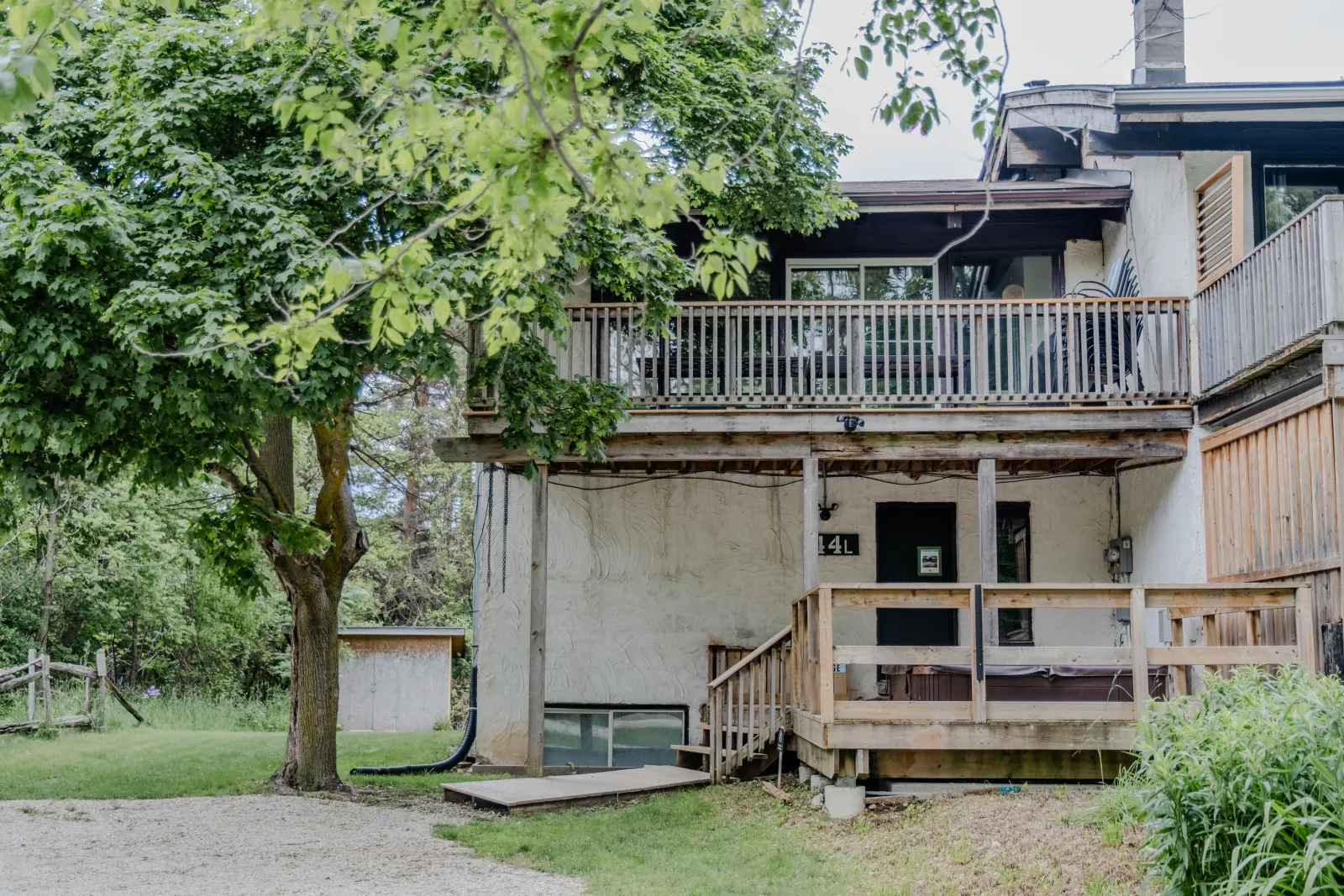
A day of snowmobiling followed by an evening at a Blue View Chalet is the ultimate winter day near Blue Mountain. After hours in the cold, there is nothing better than peeling off your gear, sinking into a hot tub, and warming up in front of a gas fireplace while dinner cooks in the full kitchen.
Blue View Chalets provides the ideal base for a snowmobiling weekend. Our chalets that sleep up to 14 guests mean your entire riding crew can stay together under one roof. With full kitchens, private hot tubs, and gas fireplaces in every property, the contrast between a day on the trails and an evening in the chalet is what winter vacations are made of. Book your stay at booking.blueviewchalets.com and add snowmobiling to your Blue Mountain winter adventure.
When different household activity times require separate drivers and responsibilities, use the parent-handover plan alongside this snowmobiling Blue Mountain resource.
Or call us at (416) 203-2057