Every lift line at Blue Mountain stands on a story that begins with a refugee, a rope, and an old Ford engine. The mountain feels inevitable now — Ontario's largest ski resort, a pedestrian village, a town named after the hill — but in 1941 it was farmland below an escarpment, and one determined Slovak immigrant saw what it could be.
Before the skiers
Long before lifts, this escarpment country was home to the Petun (Tionontati) people, Indigenous farmers and traders whose name survives on local conservation lands. The 19th century brought settler farms, orchards, port towns along the bay — and the railway, whose restored station at Craigleith still stands as a heritage museum. The bones of that era remain everywhere: the harbour towns of Thornbury and Meaford, the mill hamlets of the backroads, the orchard country that still defines the plateau.
1941: Jozo Weider's mountain
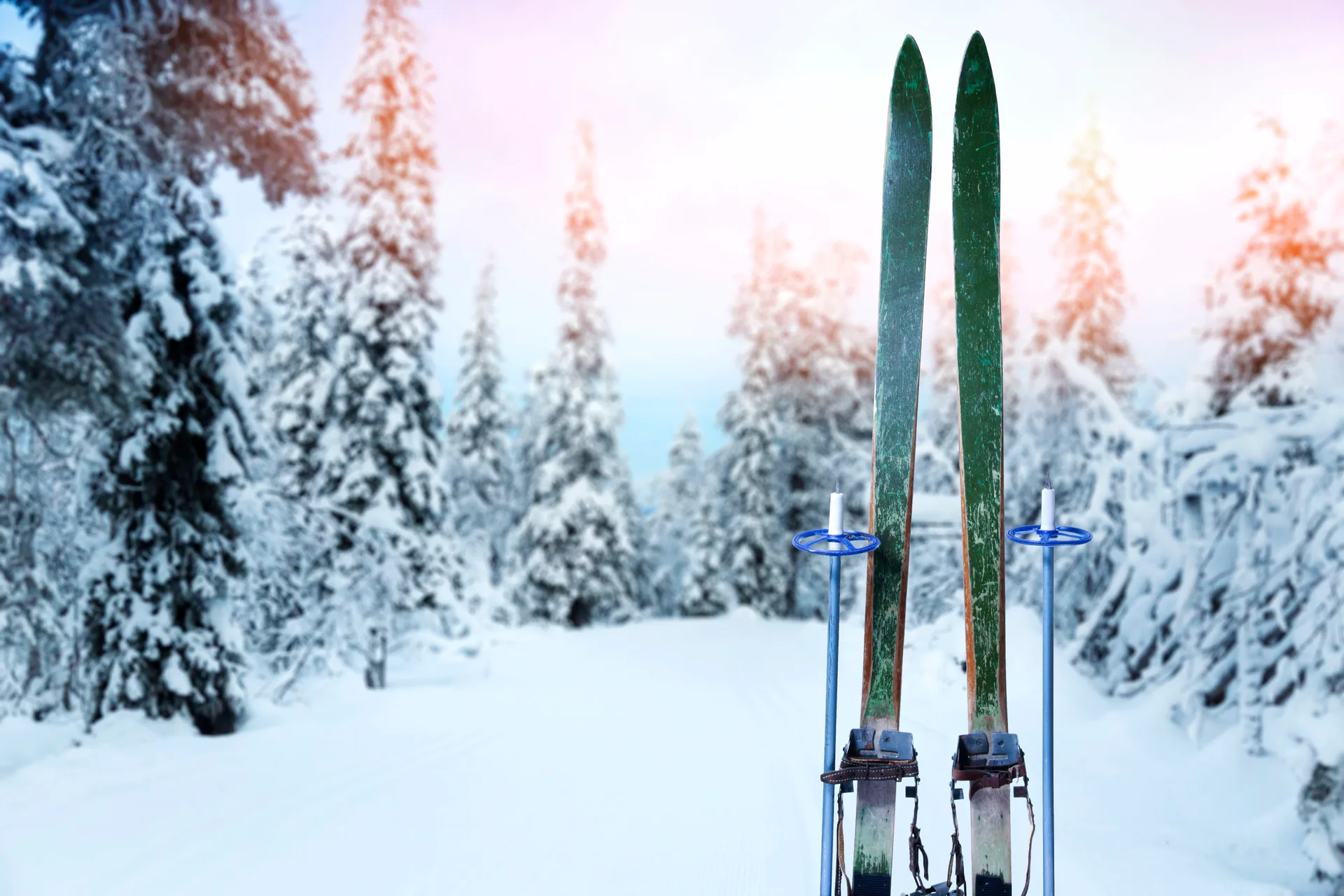
Jozo Weider arrived as a political refugee from Czechoslovakia — a mountaineer and chalet operator who understood ski country when he saw it. In 1941 he partnered with Toronto ski figures to acquire land on the escarpment from the early ski clubs already using the hill, formed Blue Mountain Resorts, and opened for business with famously humble equipment: three cleared trails and a rope tow powered by an old Ford engine. He convinced neighbouring farmers to let him cut runs on their slopes, built lodges, and spent the next three decades willing a resort into existence — a legacy honoured today in the Canadian Ski Hall of Fame and in the Village street that bears his name.
From ski hill to four-season resort
Across the decades the operation grew with Ontario skiing itself: more lifts, snowmaking (the technology that made the season reliable, as the season-dates guide explains), and eventually the leap beyond winter. Around the turn of the millennium the resort partnered with a major mountain-resort developer to build the pedestrian Village at the base — restaurants, shops, and a year-round events calendar that turned a ski hill into a four-season destination. Today the resort operates within the Alterra Mountain Company family, and summer at the mountain is as busy a story as winter.
The town that took the name
The municipality itself is young: the Town of The Blue Mountains was formed when the old Town of Thornbury amalgamated with the surrounding Township of Collingwood during Ontario's wave of municipal restructuring around the turn of the millennium — which is why the "town" contains harbour villages, farm hamlets, and a mountain resort under one name. It is also why local licensing, like the STR program covered in our licensing guide, comes from "The Blue Mountains" rather than any single village.
Standing in the story
History here is walkable: ski the runs Weider cut, drink coffee in century storefronts, hike escarpment trails older than every border on the map. The area rewards visitors who look twice — and the looking is best done slowly, from a base nearby, with the hidden-gems guide in hand.
For a visit focused on Black pioneers and communities in Grey and Simcoe counties, plan time at Sheffield Park using the museum’s exhibit and group-visit guidance.
Or call us at (416) 203-2057