Learning to ski at 35 is a different psychological project than learning at 7. Kids have low centres of gravity and no dignity to protect; adults have neither advantage and a Monday-morning job that frowns on crutches. None of that is a reason not to start — Blue Mountain is genuinely one of Ontario's friendliest places to learn as an adult — but it is a reason to plan the first trip around how adult beginners actually experience it, which almost no ski content does. This does.
The fear is the curriculum
Say the quiet part first: adult beginners are mostly managing fear, not technique. Fear of falling, of speed, of being the slowest person visible from the chairlift. Two facts help. One: beginner terrain is where nobody is watching anybody, because every other beginner is also busy surviving. Two: modern beginner slopes are served by gentle surface lifts precisely so new skiers can learn without the chairlift adding drama on day one. The resort's full beginner infrastructure — where the easy terrain is, how progression works — is mapped in the beginner skiing guide; this post is about you, the adult, using it.
Take the lesson. Really.
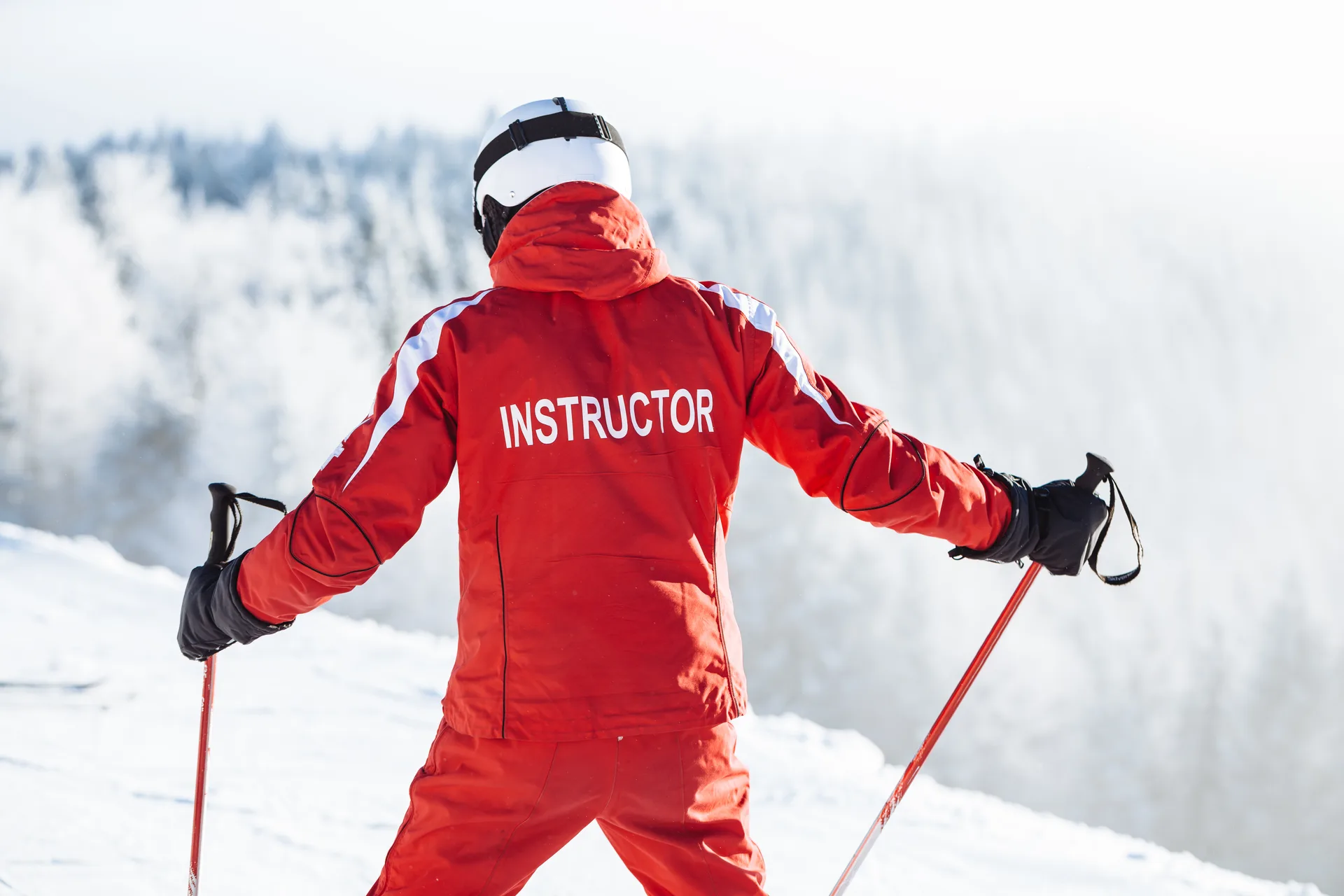
Every adult beginner has a friend who offers to teach them. Decline with love. A partner or friend teaching you to ski imports the entire relationship onto an ice slope, and it ends with someone skiing off in a huff — a tradition older than snowboarding. A professional instructor teaches adult beginners every working day, knows exactly which fear appears at which moment, and buys you more progress in two hours than a weekend of well-meant coaching. Book the lesson for morning one, before the self-consciousness has time to organize.
Rent everything, buy almost nothing
Do not walk into a gear store as a never-skied adult; walk past it. Rent skis, boots, poles, and helmet for the whole first trip — rental counters will size you honestly and swap anything that hurts. Spend money instead on the things touching your skin: proper ski socks (thin, tall — one pair is plenty for day one), waterproof gloves, and layers you already own that follow the what-to-wear rules. Goggles over sunglasses, always. If skiing takes, buy boots first, next season, and nothing else for a while.
The honest shape of day one
Morning lesson, lunch, then a decision most first-timers get wrong: whether to keep going. The right answer is usually ninety more minutes practising exactly what the lesson taught, then stopping while you still like skiing. Adult beginner fatigue is technique-destroying — the falls of the day all live in hour five. Check when the season runs before you book, pick a non-holiday week if you can (quieter slopes are kinder classrooms), and let day two be the revelation day — it is genuinely easier, every time, which no beginner believes until it happens.
Why the chalet setup helps beginners specifically
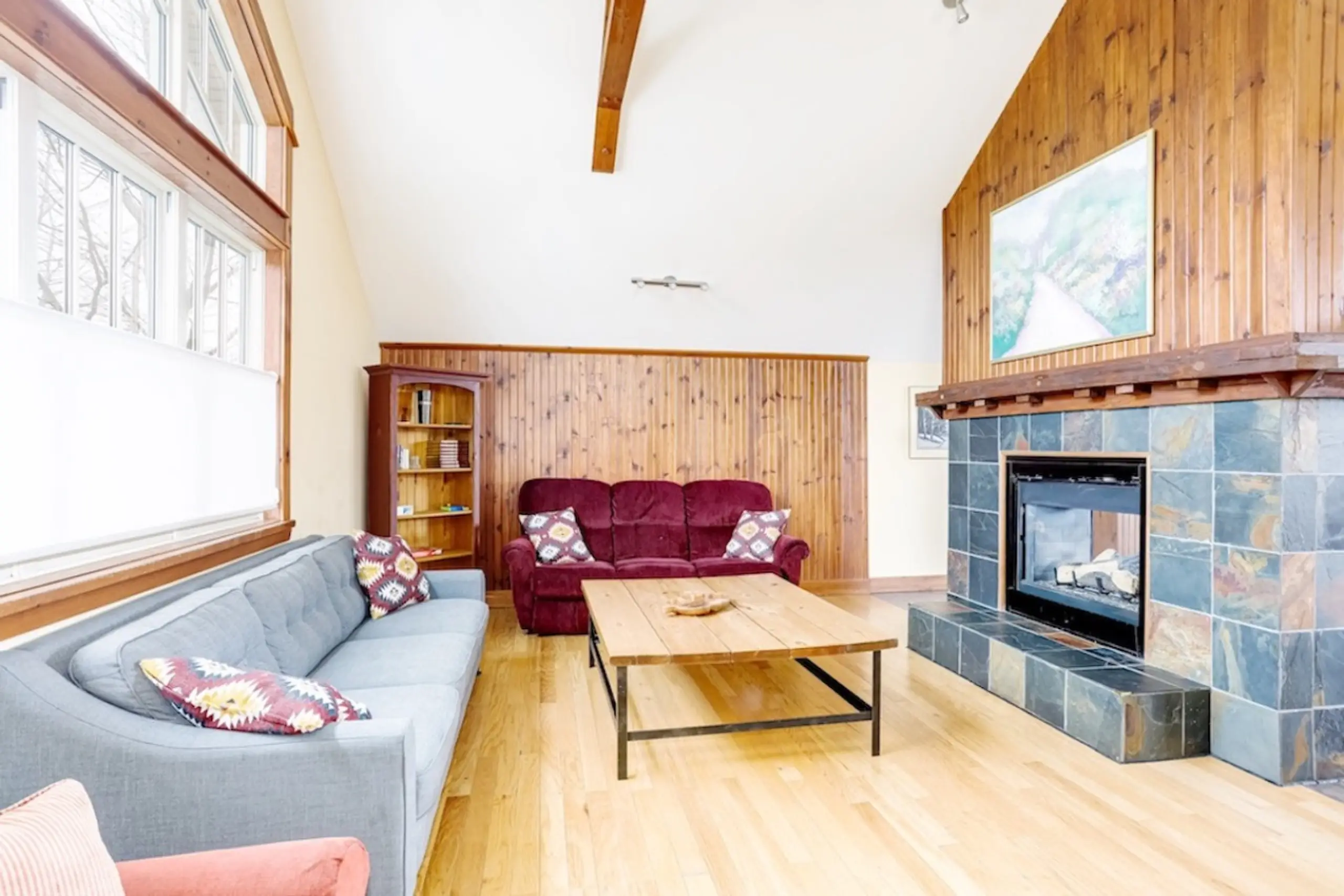
Skiing as the group's beginner is easier from a chalet than a hotel: you can retreat at 2 pm without ending anyone else's day, the shared living space gives everyone somewhere to meet after their separate plans, and the evening is a fireplace debrief where your falls become the group's best stories. Book with the group's skiers via the ski chalets page, let the veterans disappear onto their runs, and meet them at dinner as equals — the mountain does not grade on terrain difficulty. Next winter, when someone else in the group announces they have never skied, you get to hand them this guide with enormous smugness.
Before inviting friends into one booking, check how many chalet guests can share a private ski lesson and how the resort groups their ability levels.
New skiers can use the rental inclusions and clothing checklist to resolve what is still needed after reserving equipment.
Or call us at (416) 203-2057