
Every friend group has a trip that has been "definitely happening" for three years. The difference between that trip and the ones that actually happen is never enthusiasm — it is one person willing to run a simple process. If you are that person, this is the playbook, tuned for a chalet weekend but honest about group dynamics anywhere.
Step 1: dates before destinations, always
The classic failure is polling twelve people about where to go. Skip it. Offer two or three specific date windows and let people vote; the trip belongs to whoever can make the winning dates. A group that cannot pick a weekend was never going anywhere. For Blue Mountain specifically, decide season first — ski weekend, summer pool-and-bay, or fall colours — because it changes both the dates worth proposing and how early you need to move (winter holiday windows book months out; see how far ahead to book).
Step 2: the headcount is not real until money moves
Planning-chat enthusiasm converts to actual attendance at roughly the rate you would expect from people who also joined a gym in January. The only census that counts is paid deposits. Set a deadline — "money in by Sunday or you're cheering us on from home" — and mean it kindly. Our group cost-splitter guide covers the mechanics of collecting and tracking fairly, including the deposits-and-refunds etiquette when life happens to someone.
Step 3: book for the group you have, not the group you hope for
Choose accommodation that survives attrition. A chalet that sleeps 10–14 works whether eleven or fourteen show up — the per-person share moves, but nobody's bed disappears. Booking a place that only works at exactly sixteen is how organizers end up personally subsidizing two no-shows. If your real number straddles one roof, two adjacent chalets flex better than one oversized booking — here is how that works.
Step 4: assign the four jobs
The organizer's fatal mistake is doing everything. Hand out exactly four jobs: money marshal (tracks the splitter), food lead (owns the meal plan — hand them the meal-plan template), transport wrangler (carpools, arrival windows, who has the big trunk), and itinerary owner (books the one activity that needs booking). Everything else self-organizes once beds and dinner are certain.
Step 5: pre-solve the two fights
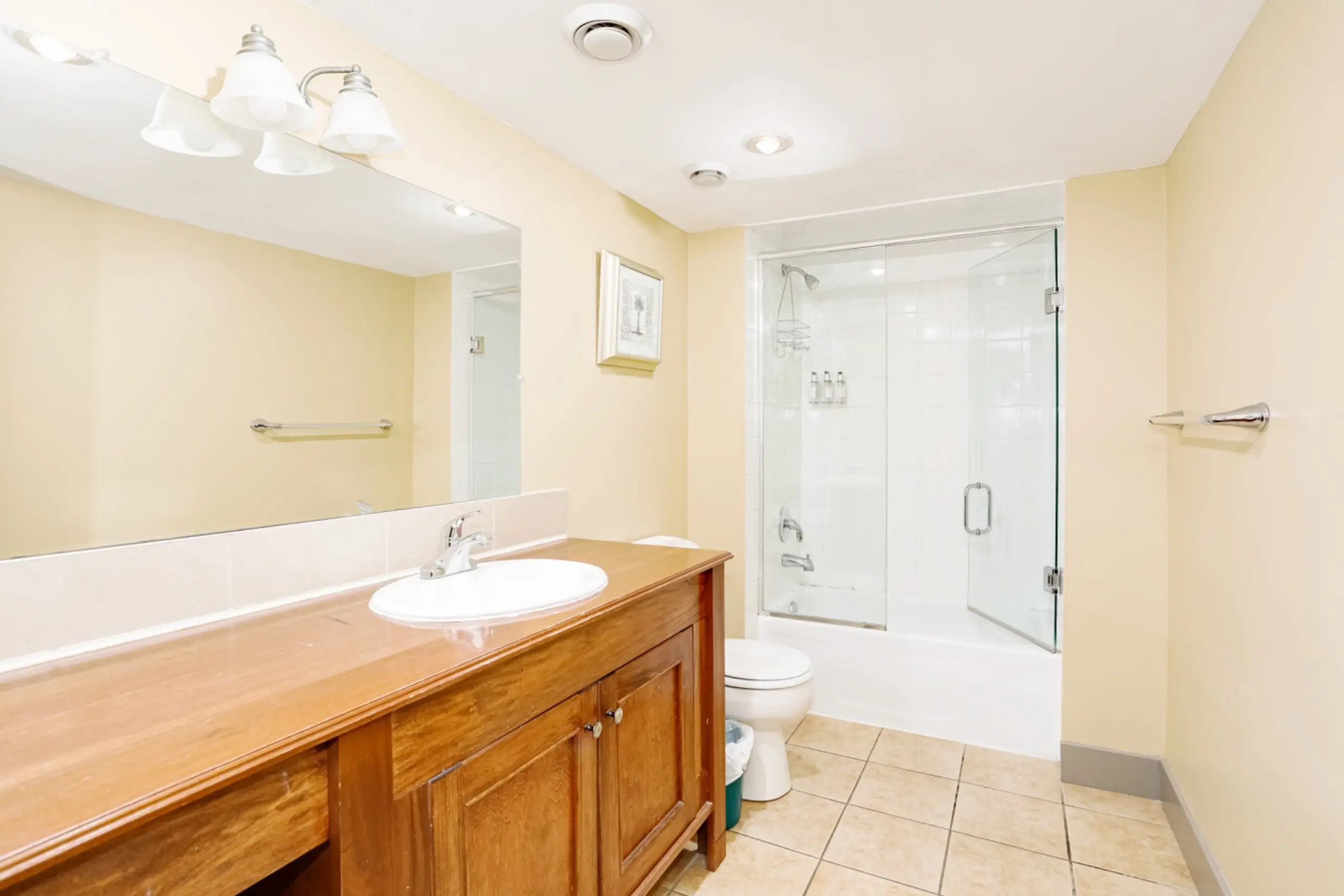
Groups only ever argue about two things: rooms and money. Kill both in advance. Publish the room plan before arrival — the chalet pages list exact bed-by-bed layouts, and our room-assignments guide has fair-allocation systems that survive scrutiny. And publish the money rules with the invite: what the deposit covers, when the balance is due, what happens if someone drops. Rules announced early are logistics; rules invented late are drama.
Step 6: the week-before checklist
Confirm final headcount against beds. Circulate arrival windows around the 4:00 pm check-in. Lock the grocery plan and who shops. Share the address, parking note (four spots per chalet), and the house basics so nobody texts you from the driveway. Then — this is the important one — stop organizing. The trips that feel effortless were front-loaded, not micromanaged.
Why the chalet format is the organizer's friend
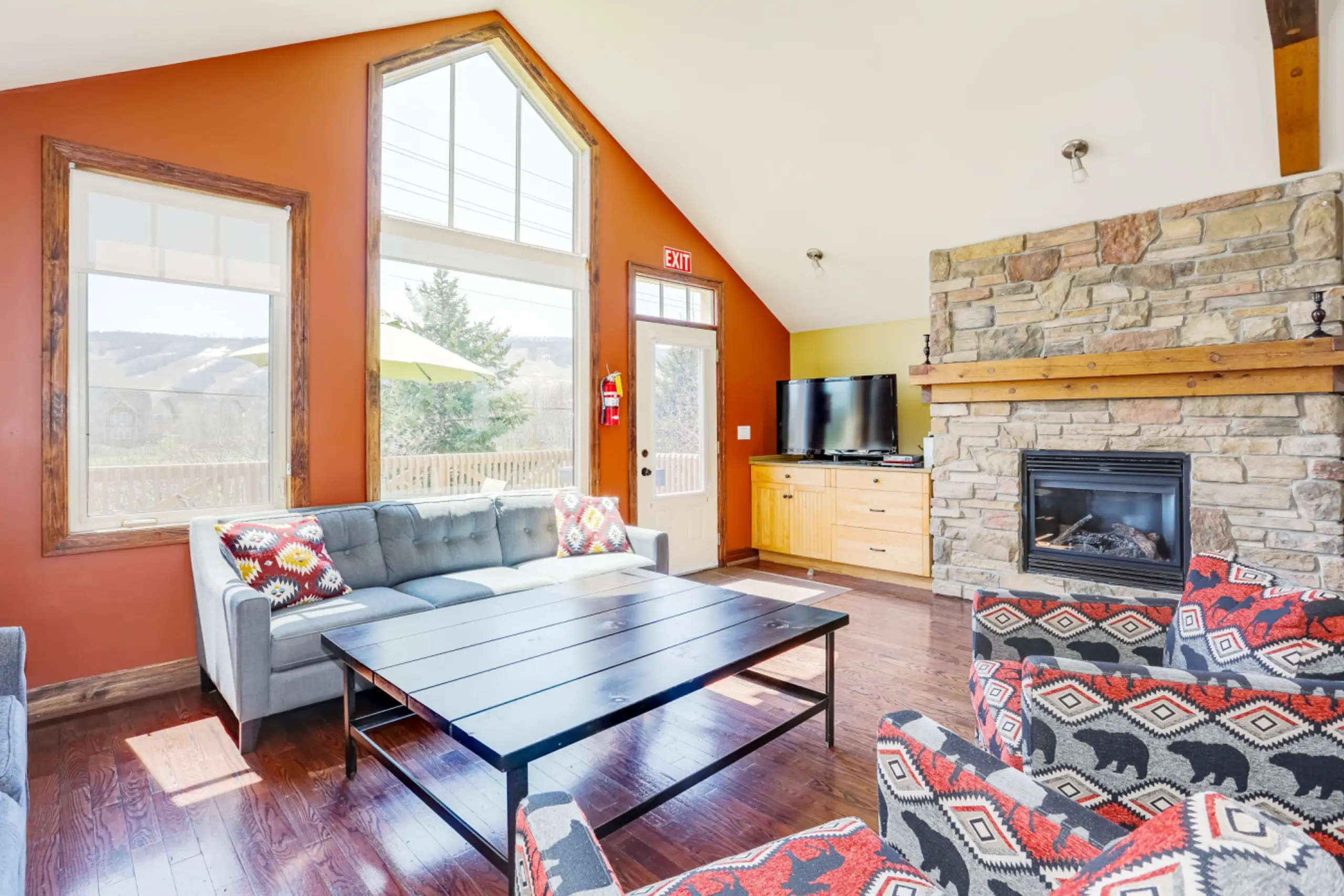
One booking, one bill to split, one address, beds for everyone, and a living room that holds the whole group — versus herding a dozen people across scattered rooms and restaurant reservations all weekend. It is genuinely less work per attendee than any other format, which is exactly what the person reading this deserves.
For a practical next step, the shared-chalet chores plan covers assigning meal cleanup, waste separation and staggered departure handovers.
When this detail affects your stay, the faith-group weekend plan covers arranging a residential schedule and confirming proposed use before inviting participants.
If the shared trip is for an Alpine reception, the Alpine wedding accommodation guide connects the venue inquiry with the overnight guest list.
A party attending a Georgian Peaks wedding can start its room plan with the dedicated venue-and-stay guide and a named list of overnight guests.
Or call us at (416) 203-2057