Room assignments are the group trip's first political crisis, and they are entirely preventable — the whole argument exists only when nobody looked at the actual floor plan before arrival. Every Blue View chalet page publishes its exact bed-by-bed layout, which means the fair version of this conversation can happen a week early, in the group chat, with facts. Here is how the layouts really work and the systems that keep them drama-free.
Know the actual inventory
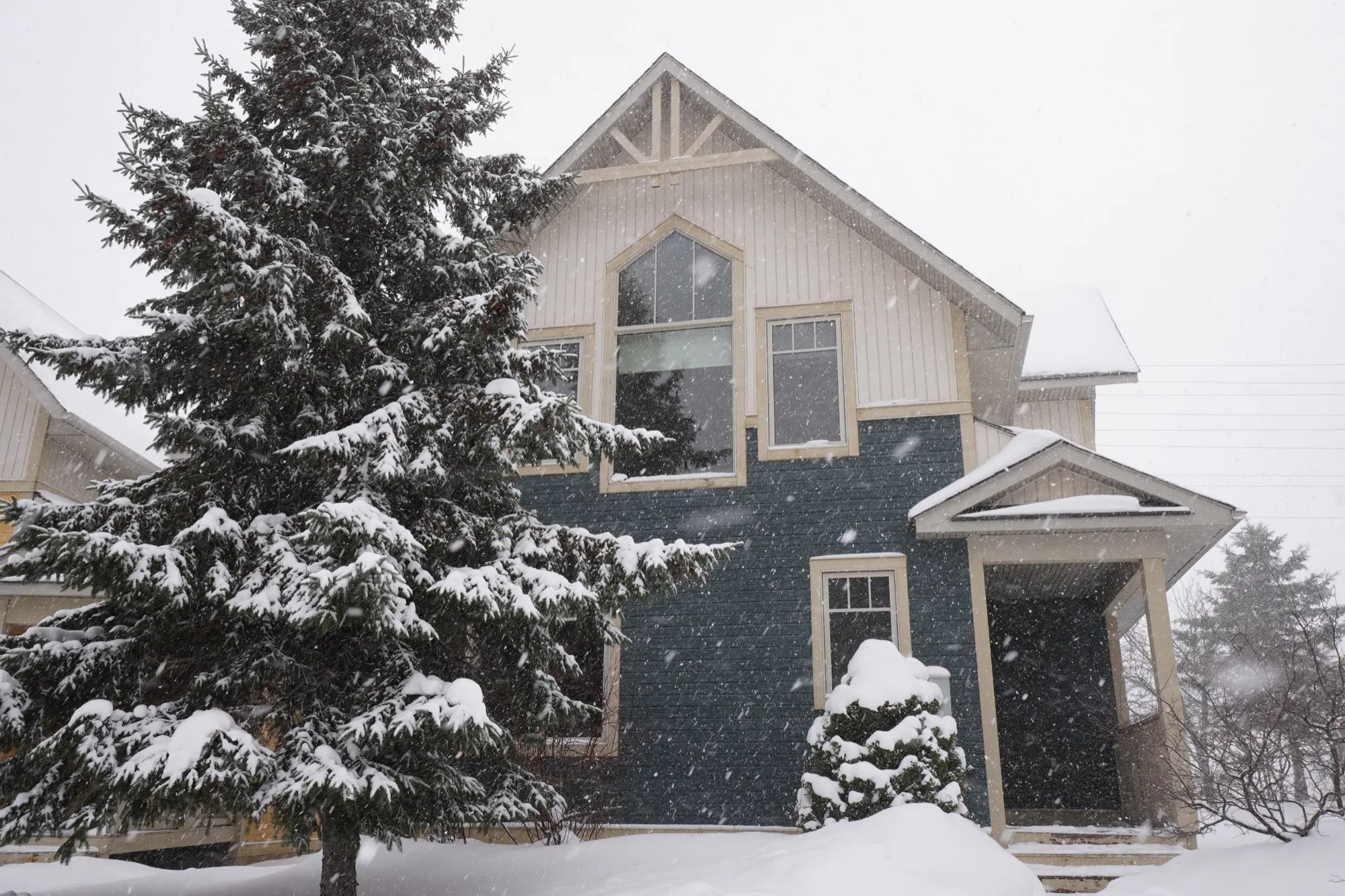
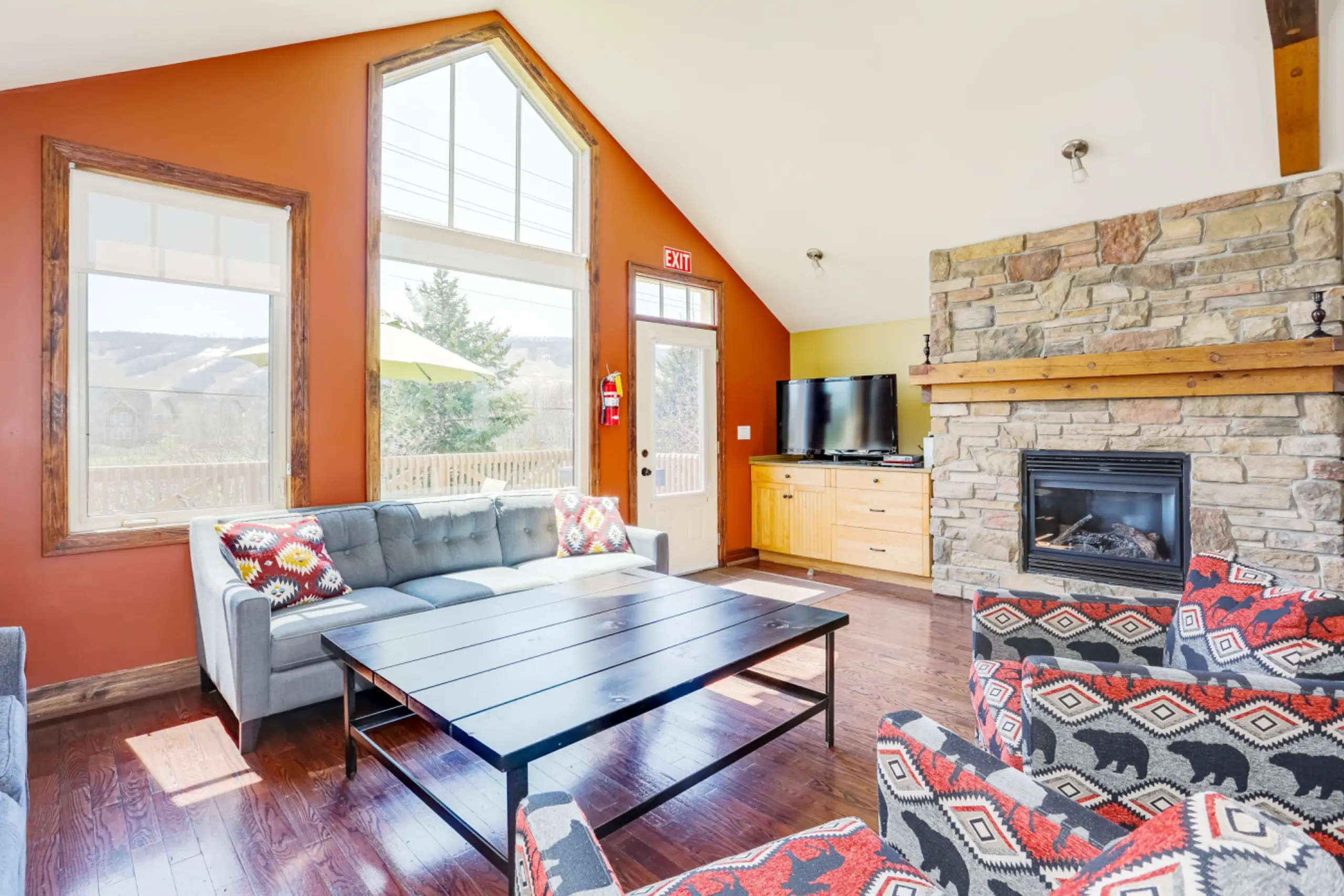
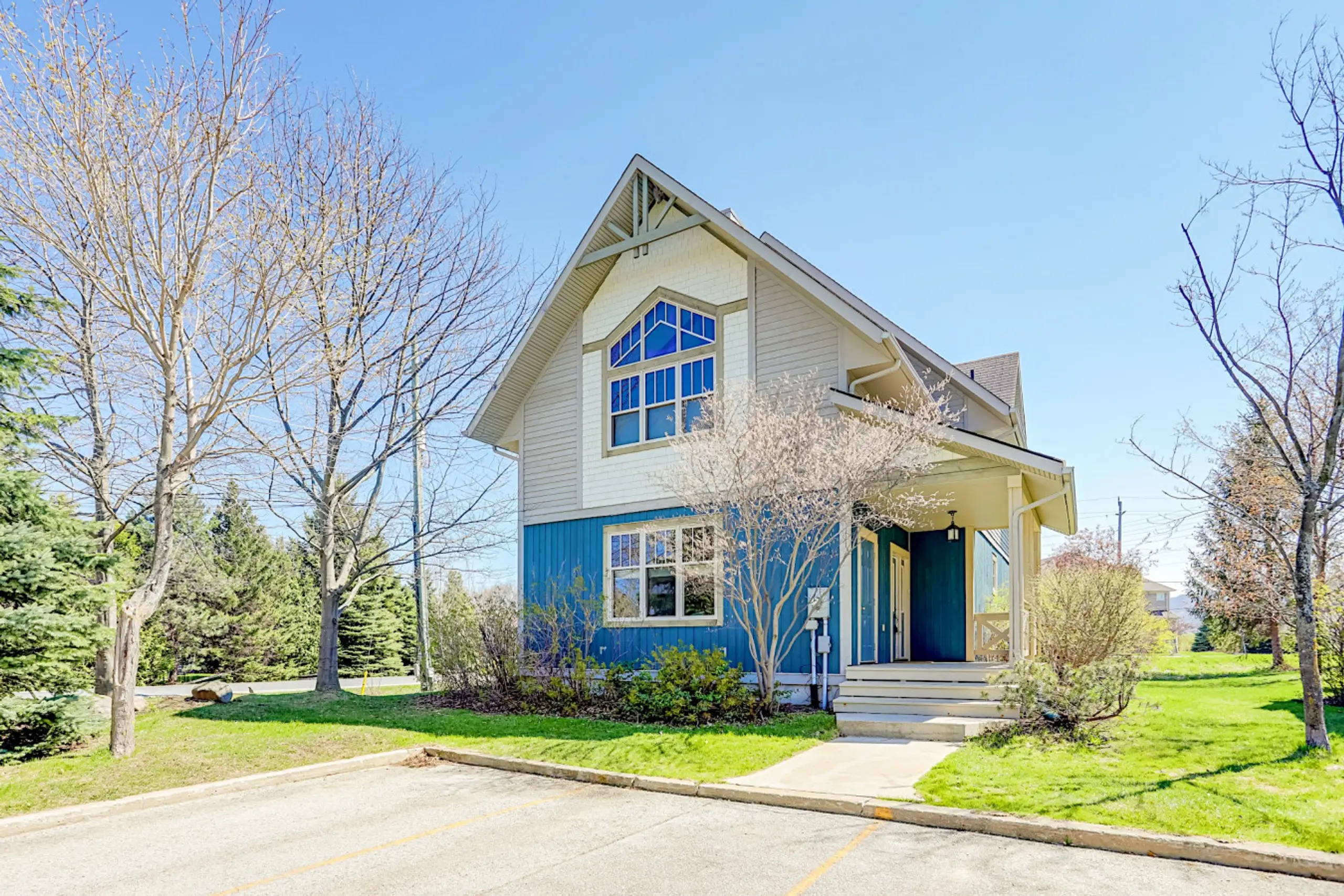
The Mountain-cluster chalets follow a consistent three-level pattern: living space and kitchen on the bright top floor, queen bedrooms on the main level, and bunk rooms on the lower level. In practice that means a five-bedroom chalet like Luna or Prima offers two main-level queens, a third queen downstairs, and two lower-level bunk rooms — typically a single-over-double bunk plus a single bed, which sleeps three. Aurora is the outlier with three queens on the main level. Across all eight cluster chalets the totals run 23 queen rooms, 14 bunk rooms, and 2 twin rooms. Step one of any assignment: pull up your chalet's page and count what you actually have.
The couples-first principle (and its limit)
Default rule: queens go to couples, bunk rooms go to singles and kids. It is the allocation everyone privately expects, so codify it. But note its limit — a trip of six couples and one chalet with three queens means somebody married is sleeping under a nine-year-old's flag. When couples outnumber queens, either book the chalet with more queens (compare layouts on the chalets page), split across two chalets, or move to a rotation system below.
Three systems that survive scrutiny
- The draft. Room-pick order determined by something public: trivia about the destination, arrival-time seniority, or straight lottery. Transparent, fast, and the loser blames the dice, not you.
- The pay-band. Queens carry a slightly larger share of the cost, bunks a smaller one. People self-sort by what they value, resentment evaporates, and the group's students happily bank the savings. Pairs naturally with the cost-splitter method.
- The organizer's prerogative. Whoever ran the trip picks first. Announce it in the invite; nobody argues with the person who did the work.
Kids change the math in your favour
With families aboard, the lower-level bunk floor becomes a feature, not a consolation: kids treat bunk rooms as the trip's best part, they get a floor to be loud on, and the adults reclaim the evenings upstairs. Put the lightest sleepers on the main level, cluster the kids below, and see our answer on layouts for adults and kids for matching specific chalets to your family mix. Grandparents along? Check which chalets have main-floor bedrooms first.
The single-over-double wrinkle
Most cluster bunk rooms include a single-over-double bunk — meaning one genuine double bed hides on the bunk floor. That bed is the assignment system's release valve: a couple who lost the draft, a parent bunking with a small child, or the group's tallest human who physically will not fold into a top single. Know it exists before you need it.
Publish the map, end the politics
Whatever system you use, publish the final room map before departure — names on rooms, in the chat, done. Arrivals become logistics instead of a land rush, the 4:00 pm check-in doesn't start with suitcase-based territory claims, and the weekend's first hour goes to the hot tub instead of negotiations. For everything else the organizer carries, the group-trip playbook has the rest.
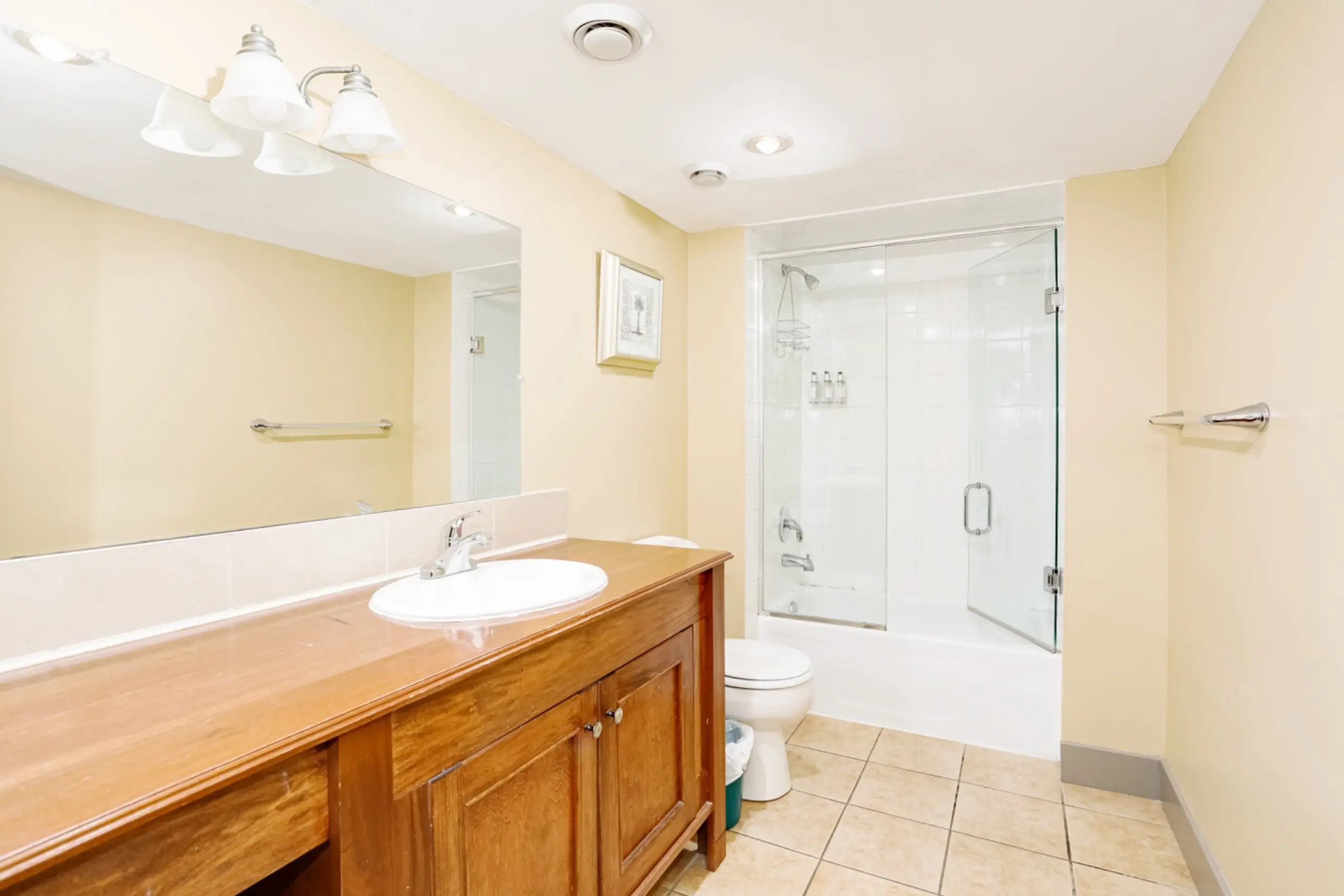
To prepare the overnight group, the group bathroom rota covers coordinating early departures after confirming the actual fixtures and access.
Or call us at (416) 203-2057