
There is a specific kind of group chat that resurfaces every eight months: the university housemates, the old team, the hometown crew — someone posts "we NEED to do something," forty messages agree, and nothing happens. The reunion weekend is the cure, and it has one design requirement that distinguishes it from every other trip: maximum time in one room. Not activities, not sightseeing — one room, the whole crew, hours of it. (Family reunions are a different animal with different logistics — that guide is here. This one is for friends.)
Why reunions fail at hotels and dinners
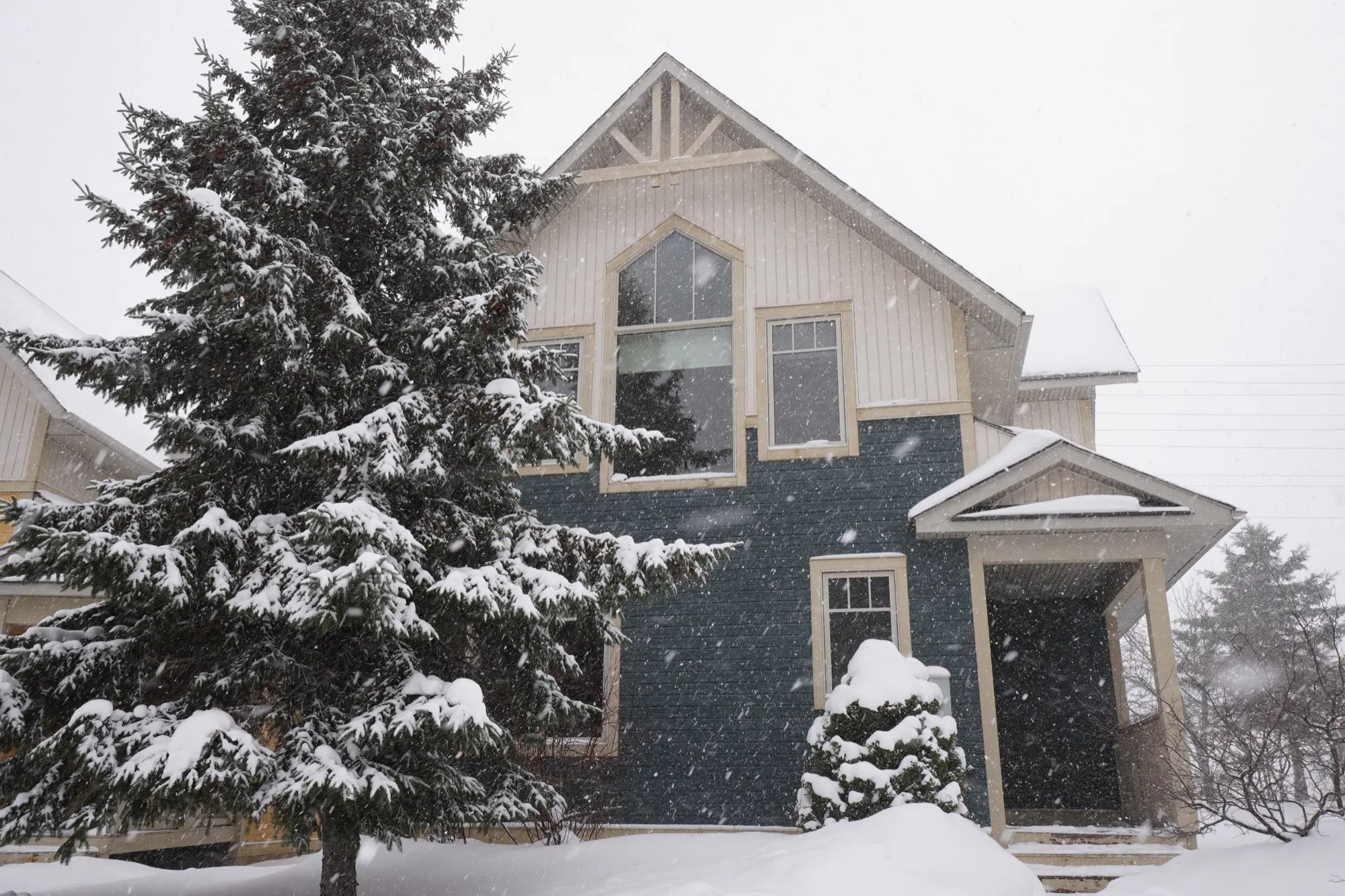
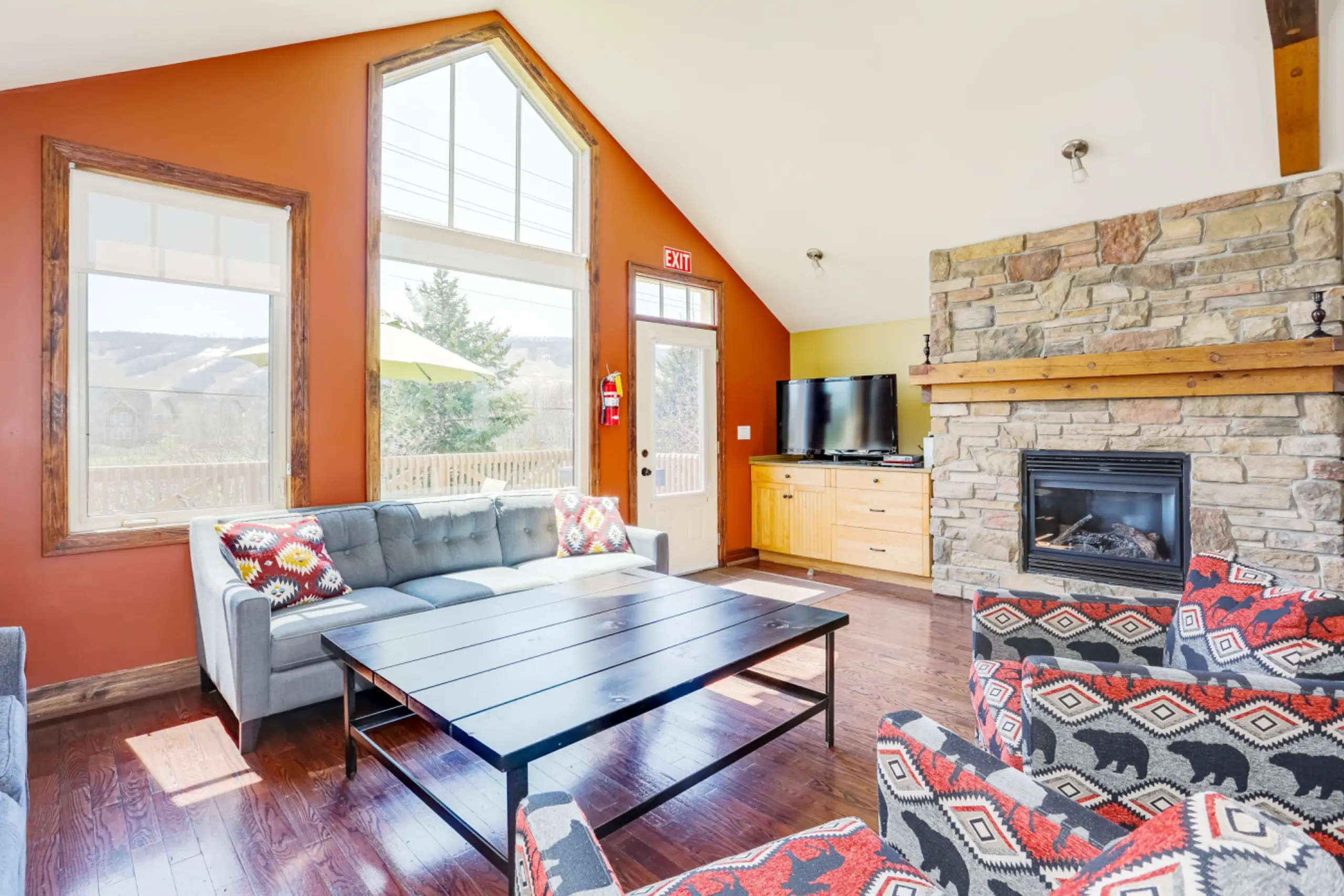
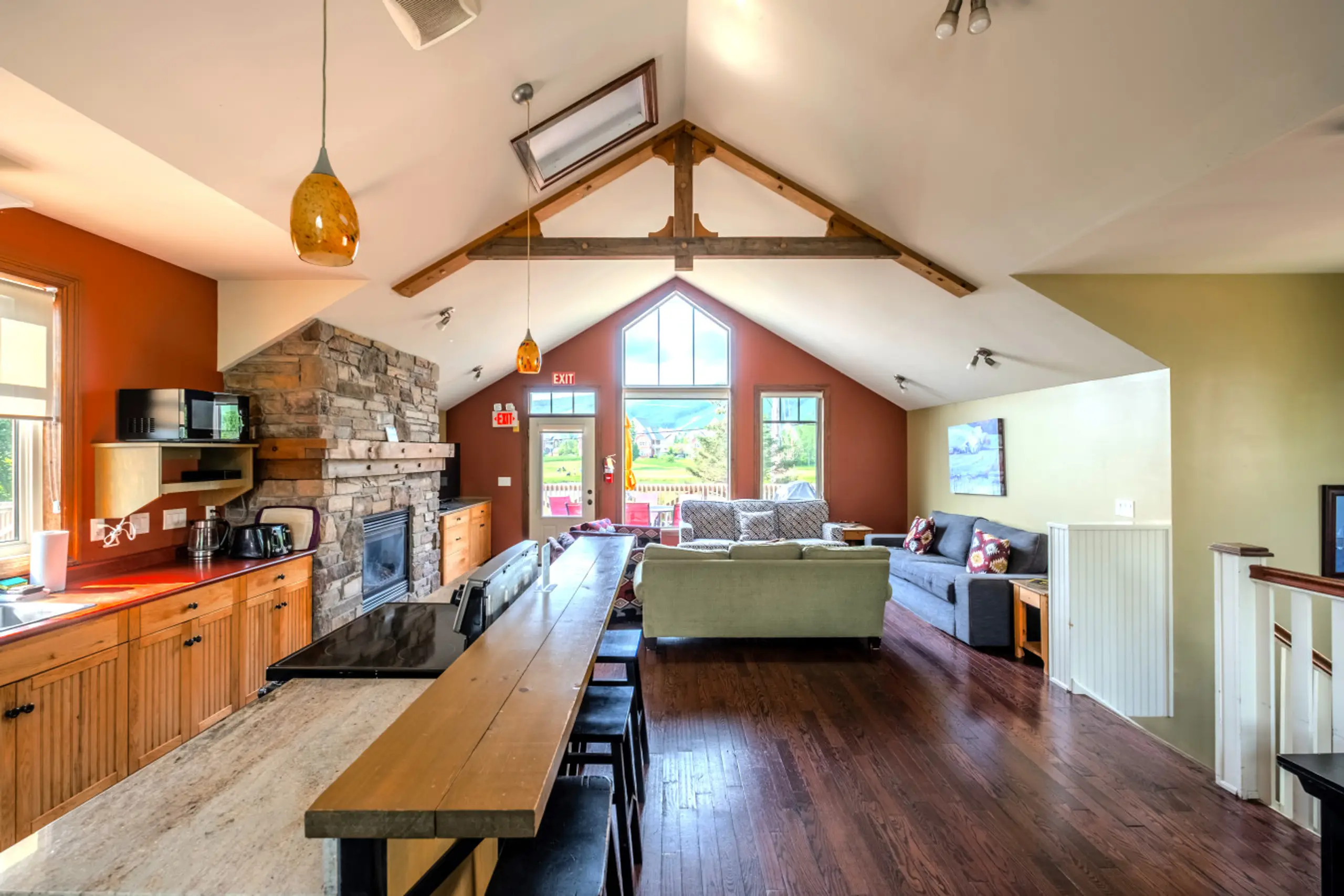
The failure modes are predictable. The restaurant reunion caps the night at three hours and splits the table into whoever you sat beside. The hotel version scatters everyone to separate rooms exactly when the conversation gets good at 11 pm. The someone's-house version puts the whole load on one friend's guest towels and patience. A reunion needs a neutral venue where nobody hosts, nobody drives home, and the night ends only when the last two people stop talking — which is a description of a chalet living room with bedrooms attached.
The low-itinerary formula
The reunion is the one trip where a packed schedule works against you — every activity hour is an hour the crew is not doing the thing they came for. The formula: one anchor activity per day, chosen by season (a ski morning via the ski chalets in winter; the pool, a hike, or a brewery run from the craft-beer trail the rest of the year), one big cooked dinner at the long table, and nothing else scheduled — leaving the hot tub sessions, the old-photos hour, and the 1 am kitchen conversations to happen at their natural pace, which they always do.
Handling the ten-years-later logistics
Reunion crews come with grown-up complications the old road trips never had. The distributed-locations problem: Blue Mountain's two-hours-from-most-of-Ontario position makes it the fair midpoint for crews scattered from Toronto to London to Ottawa. The varied-budgets problem: one shared chalet split 10 to 14 ways is the format most forgiving of the group's income spread, especially midweek or off-peak — and the cost-splitter method keeps the money bloodless. The partners-and-kids question: decide it explicitly (crew-only, or families-welcome) before invitations, not after — and if it goes families-welcome, the two-chalet setup gives the reunion a grown-ups' living room and a kid zone.
Someone has to be the organizer
Reunions do not self-assemble; the forty-message chat proves it. One person declares two candidate weekends, collects deposits by a deadline, and books — the full mechanics are in the group-trip playbook. The crew that actually meets again is not the one with the most enthusiasm; it is the one where somebody was willing to be briefly bossy.
The annual clause
End the first reunion with the only agenda item that matters: same weekend next year, booked before everyone drives home. Annual reunions survive because the date exists before life fills it — and popular weekends here reward the crew that books like it means it, per the lead-times answer. Ten years from now the group chat will still be chaotic, but it will be planning trip eleven instead of proposing trip one.
For a practical next step, the book-club weekend plan covers balancing one substantial discussion with reading time and simple shared meals.
Friends who want games in their reunion schedule can use the pickleball weekend planner to resolve court access, equipment duties and bedrooms.
The nearby places hub helps friends connect a particular venue or outing with the chalet dates they want to reserve.
A theatre-centred reunion can start with the Simcoe Street programme and stay guide and build the rest of the weekend around a confirmed show.
Curling friends can use the Collingwood club visit planner to confirm the session and seasonal contact before reserving their shared chalet dates.
Or call us at (416) 203-2057