A book-club weekend at a Blue Mountain chalet works best with one main discussion, protected reading time and meals simple enough that nobody misses the conversation to cook. Choose the home by beds, stairs and shared seating, then agree how guests who have not finished the book can participate. This suggested plan is for a private overnight group; it does not assume an author visit, public event or hired meeting facility.
Agree what the book-club weekend is for before choosing dates
Decide whether the group wants to discuss one finished book, read quietly together or work through a themed selection. Those are different weekends. A discussion visit needs one predictable shared session; a reading retreat needs long periods with few interruptions. Ask members which version they actually want and how much time they can give it before the organizer starts searching dates.
Keep participation flexible. A member who has not finished the book can join the meals and choose whether to hear spoilers. Someone who wants quiet reading should not be assigned to lead every conversation. Agree those expectations in the invitation so the weekend does not become a test of how much everyone has read.
Book the sleeping arrangement before imagining the reading room
Start with the people who will attend and the bed sharing they are comfortable with. A whole chalet for eight guests may give a smaller club useful space, but an occupancy limit is not the number of separate bedrooms. The room-assignment guide helps the organizer ask the right questions without making assumptions about couples or friends.
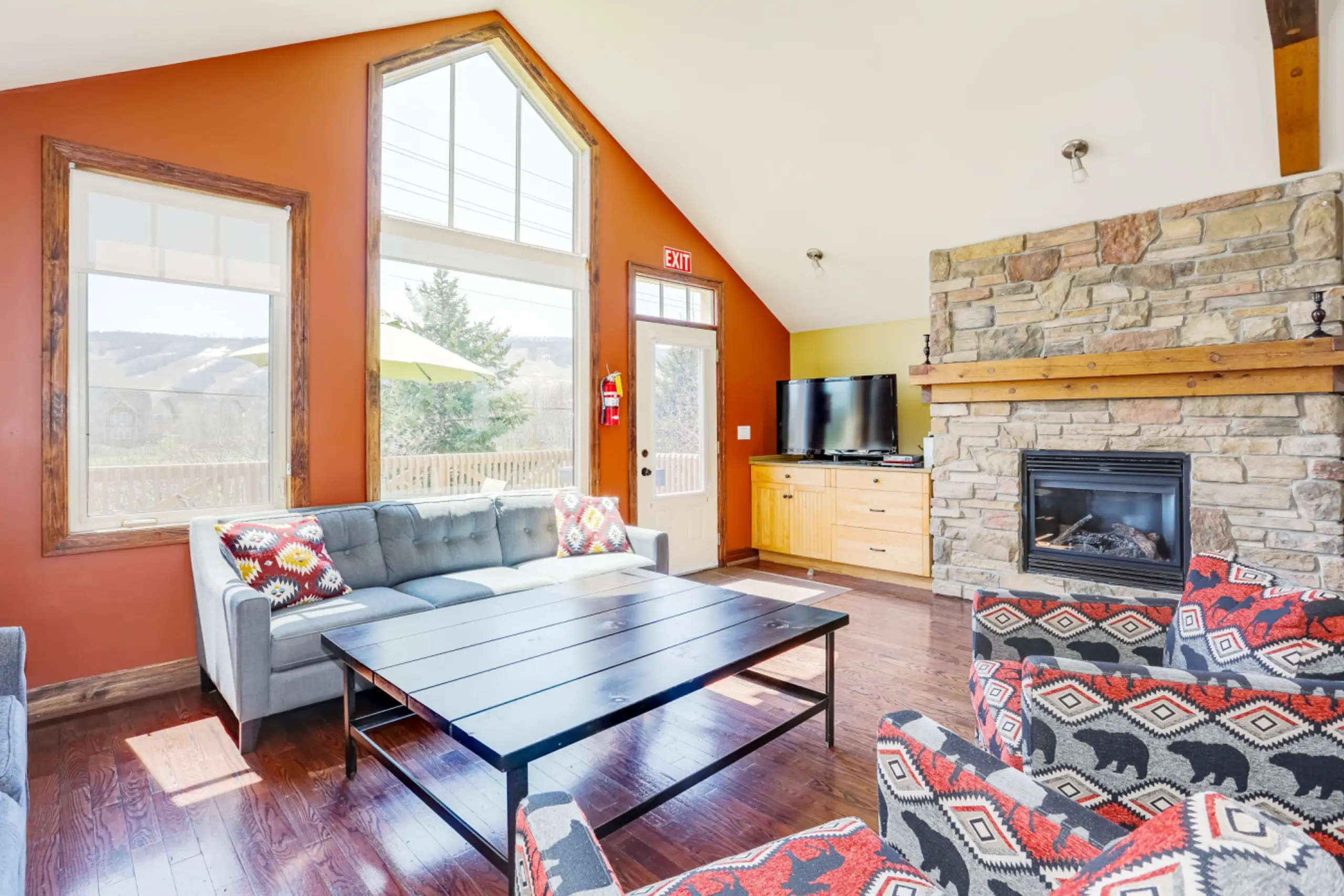
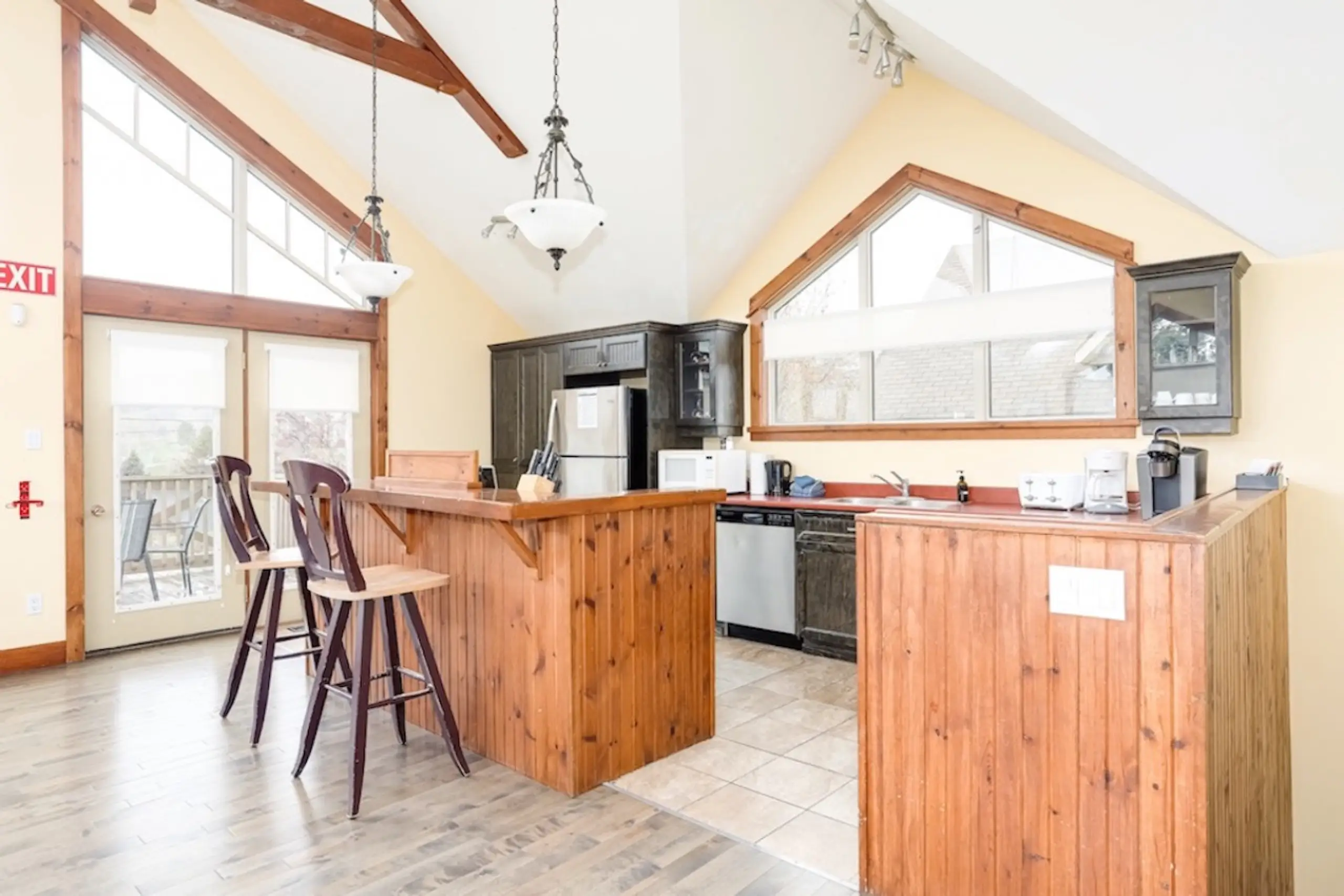
Review photographs of the specific home. For example, Stella’s gallery shows its actual living and dining setting. A photo can help you see furniture, but it does not promise a desk for every reader, a sound-isolated room or a circular meeting layout. Keep furniture where the property instructions require it, and ask about an essential need before reserving.
The eight Brooker homes put kitchen and living spaces upstairs. That matters if someone plans to move frequently between a bedroom and the shared discussion. Check the detailed room guide and discuss stairs openly. A pleasant group invitation is no substitute for an accommodation layout that suits the people receiving it.
Use arrival evening for introductions and a spoiler agreement
After the published 4 pm check-in, let guests settle their rooms and share a straightforward meal. Save the main discussion for the next day so late arrivals do not miss it. A short first-evening round can ask what each person wants from the visit, which passages they marked and whether anyone prefers to listen rather than lead.
Set a spoiler boundary that everyone understands. One approach is to keep Friday’s conversation about the opening chapters and reserve the ending for Saturday. Another is to announce that the main session assumes the whole book has been read. Either can work if guests hear the plan before they travel. The organizer should not have to invent a rule halfway through dinner.
Give Saturday one substantial conversation and one quiet block
A suggested Saturday starts with breakfast followed by individual reading. Hold the main discussion later, when everyone has had time to settle into the book. Nominate a facilitator to invite quieter voices and prevent one person answering every question. Let each participant pass on a question without explanation.
Prepare a small set of prompts: a decision by a character, a passage whose meaning changed later, and something the group disagreed about. Ask members to bring their own copy and notes rather than assuming books are supplied at the chalet. The goal is an interesting conversation, not a lecture or an examination of literary knowledge.
Leave the afternoon open. Guests might continue reading, take an independently planned outing or talk in a smaller group. Keep a clear time for the next shared meal so an optional activity does not quietly become compulsory. Check any off-property activity directly before promising access or a schedule.
Make the book-club kitchen plan support the conversation
Choose meals that a named pair can prepare without taking half the club away for hours. Ask about dietary needs before shopping and mark the ingredients for each meal. Keep clearing duties separate from discussion leadership so the same person is not hosting every part of the day. If everybody contributes one thing, agree the list instead of arriving with several copies of the same snack.
The equipment answer describes what the kitchens actually list. Do not assume a particular appliance or baking pan because it would suit a themed menu. Aqua Villa has two refrigerators but no dishwasher, which changes the washing-up plan. A simpler menu can leave more time for the reason the club came together.
End Sunday with a decision rather than another long meeting
Use breakfast for a short final round: what stayed with each reader, whether the club wants another weekend, and who will suggest the next book. Keep this light enough that guests can pack and leave by the published 11 am checkout. Each household should gather its own food and belongings before taking on a final shared task.
If the group uses the living-room Smart TV for an adaptation or related programme, use your own streaming account and log out before departure. The streaming answer explains the documented arrangement without assuming a service is included. Agree any film plan in advance so it does not displace the reading time people expected.
Book-club chalet questions to settle in the invitation
Are books or discussion materials supplied?
No reading materials are established in the property information. Ask members to bring their own books and anything they need for the discussion.
Can we invite the public or arrange an author event at the chalet?
This plan concerns the booked overnight group. Discuss any proposed outside attendance or special use with the team before making arrangements.
Must every member attend every discussion?
The club can agree optional participation. Put the main shared session in the invitation and leave reading or outing blocks flexible.
Review weekend chalet choices, then check the dates your club has agreed. Share the actual bedroom plan with the invitation so the accommodation decision is as clear as the reading plan.
If the club finds a suitable talk or performance, use Simcoe Street Theatre’s visit planner to organize seats before fixing the evening itinerary.
For an exhibition outing, use L.E. Shore Gallery’s visit guide to choose a show and confirm the room will be available.
Or call us at (416) 203-2057