
Why is it called Blue Mountain?
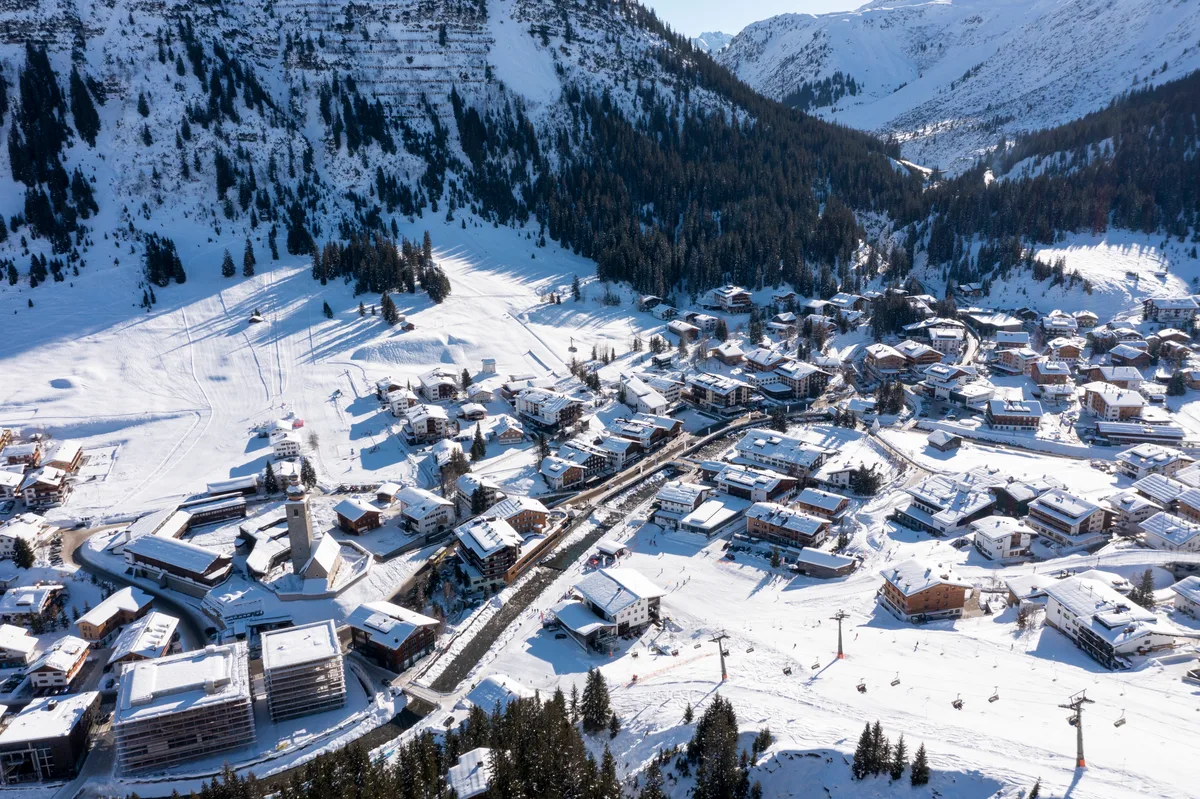
The blue-grey rock behind the Blue Mountain name
Blue Mountain Resort's history page offers the most grounded explanation: the hills could have taken the name from the rock outcrops of the escarpment, which show a blue/grey hue because of the shale and limestone in the area. It presents this as a likely origin rather than a documented decision, since no record says exactly why the first writers chose the word.
On a clear day the colour is easiest to judge from a distance, across the water from Collingwood's waterfront or from the bay-side parks along Highway 26. The escarpment itself is explained in our answer on whether Blue Mountain is a real mountain.
From the Blue Mountains of 1819 to Blue Mountain Resort
The resort dates the earliest written and artistic use of the term to 1819, in the plural, "Blue Mountains," for the area's many hills and valleys. It also credits surveyor Charles Rankin with using the name Blue Mountains in August 1833 while surveying land in Collingwood Township.
The singular came much later. The resort says the term "Blue Mountain" was chosen by the Blue Mountain Ski Club and then by Jozo Weider for Blue Mountain Resort. Our Blue Mountain history tells the story of Weider and the early ski hill.
Blue Mountain, The Blue Mountains and where the chalets are
Today both forms are in use. Blue Mountain is the resort and its hill; the Town of The Blue Mountains is the municipality in Grey County that contains it, along with Thornbury, Clarksburg and Craigleith. Our answers on Blue Mountain or The Blue Mountains and what town Blue Mountain is in untangle the two.
Blue View's eight Mountain-cluster chalets are at 104 Brooker Boulevard, a ten-minute walk from Blue Mountain Village, with balcony views of the ski hill from several of them.
Related questions
Who named Blue Mountain?
No single person. The resort traces the plural "Blue Mountains" to 1819 and to surveyor Charles Rankin in 1833; the singular was chosen by the Blue Mountain Ski Club and then Jozo Weider.
Is the mountain actually blue?
The resort suggests the escarpment's shale and limestone outcrops have a blue-grey hue, which is the likely source of the name.
What were the hills called before?
The resort's history does not give an earlier European name in the passages we reviewed; it starts the record with the 1819 "Blue Mountains."