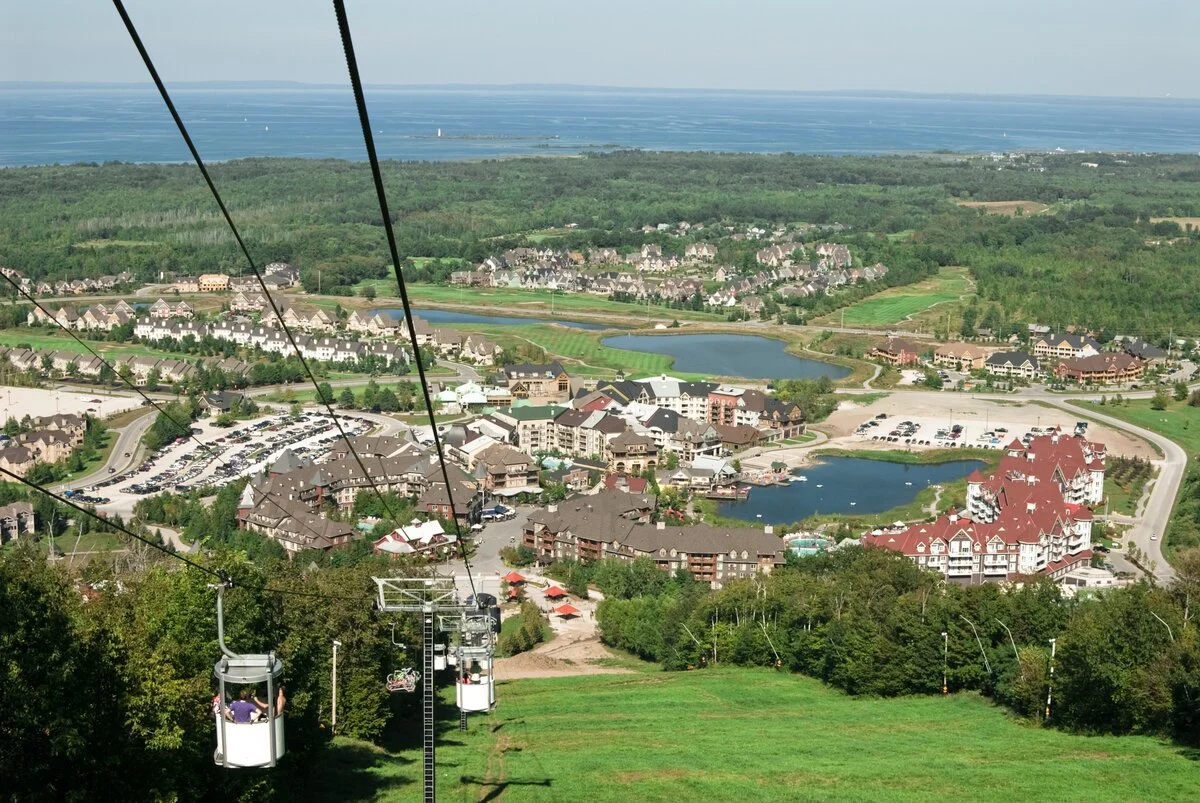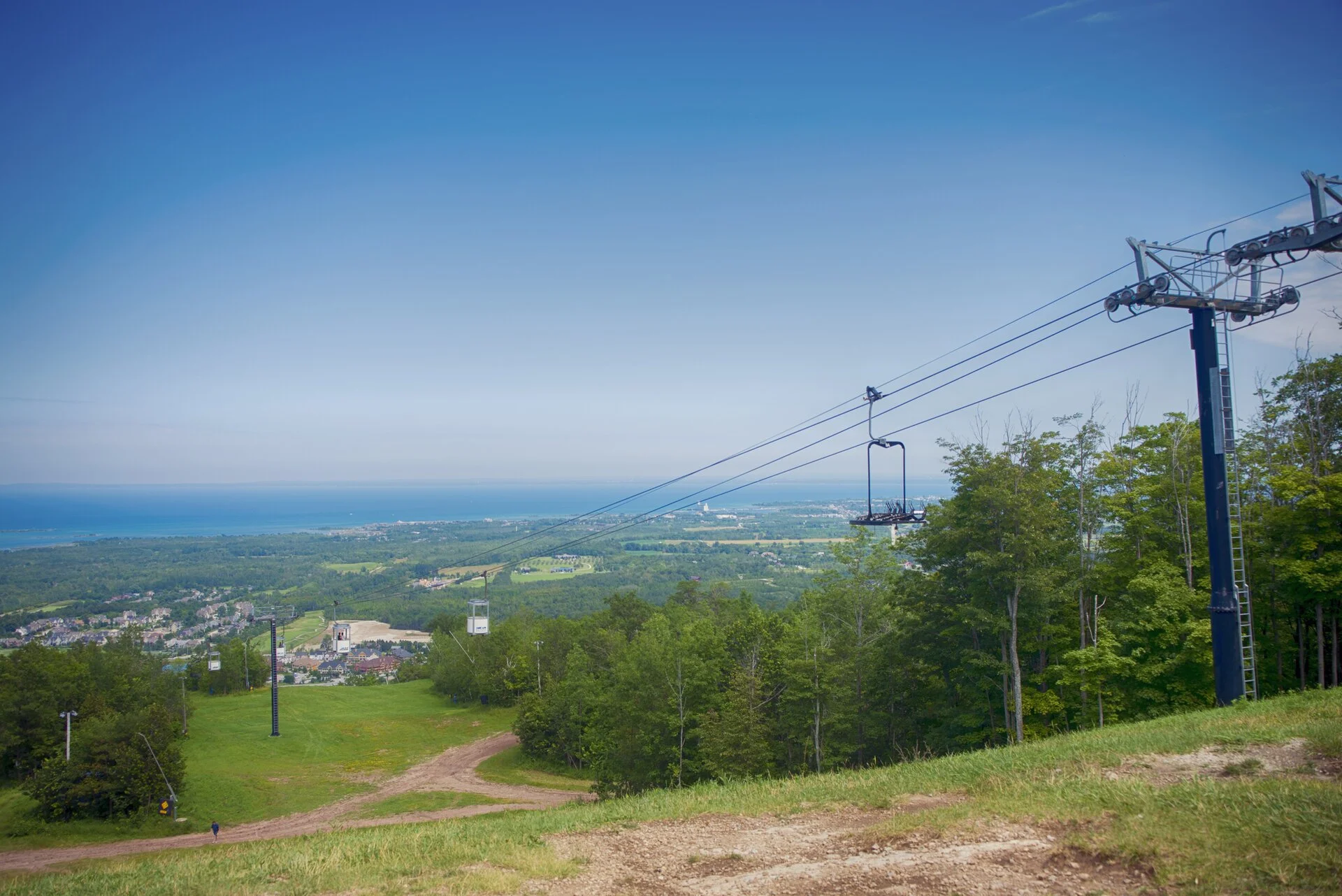
Blue Mountain's weather has one author: Georgian Bay. The great cold bay to the north loads the local sky with moisture, the escarpment lifts it, and the result is a slice of Ontario with its own micro-rules — snowier than Toronto in winter, tempered by the water in summer, and changeable enough year-round that locals check the radar out of habit. Understand the mechanism and every season here makes sense.
The lake-effect machine
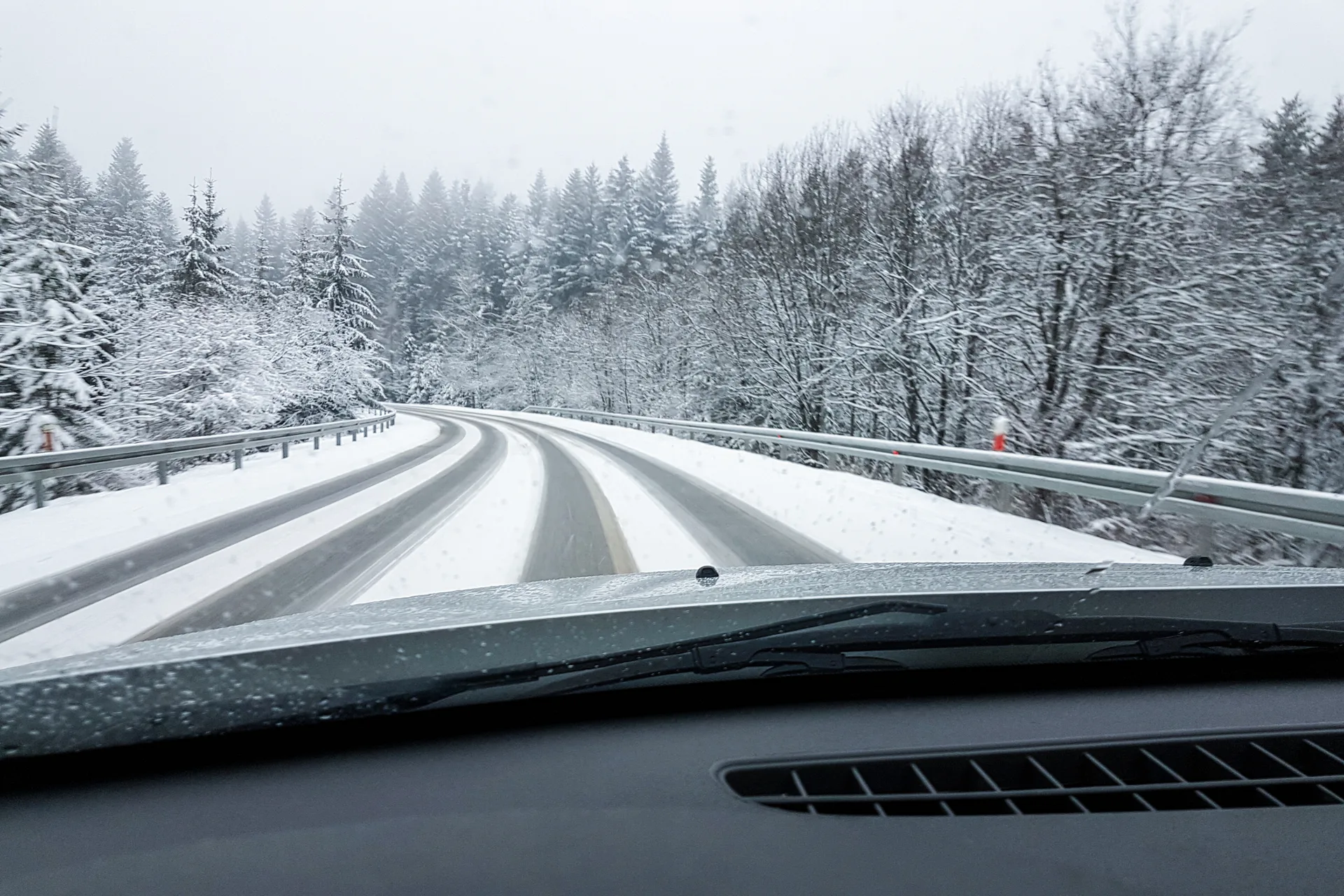
In late fall and winter, cold northwest air crossing the relatively warmer bay picks up moisture and drops it on the first high ground it meets — which is exactly where the mountain stands. This is why the region sits in Ontario's snowbelt, why the ski hill exists here at all, and why a "clear" forecast can produce a sudden white wall known locally as a snow squall. Squalls are a real driving consideration between November and March; our snow-squall guide explains how to read and ride them out. The same bay works in reverse come summer, moderating heat near the shore and keeping beach evenings comfortable.
Winter (December–March) — Blue Mountain Weather Guide
Cold, white, and reliable by Ontario standards — the snowbelt plus modern snowmaking is the combination that underwrites the ski season, whose year-to-year rhythm is covered in the season-dates guide. Expect real cold snaps in deep winter (January owns the coldest stretches), steadier snow through February, and big swings by March. Dress systems beat single warm items — the layering guide is the winter gospel.
Spring (April–May) — Blue Mountain Weather Guide
The thaw is quick and dramatic: meltwater sends the waterfalls to peak flow, trails pass through a brief muddy adolescence, and warm afternoons arrive well before warm evenings. Spring here is underrated precisely because it is unpredictable — pack for two seasons in one bag.
Summer (June–August) — Blue Mountain Weather Guide
Warm, green, and bay-cooled: hot spells happen, humidity visits, but shoreline evenings stay livable and thunderstorms tend to pass quickly. The bay itself runs a season behind the air — cold into June, properly swimmable by July and warmest in August, as our swimming answer details.
Fall (September–November) — Blue Mountain Weather Guide
The showpiece transition: crisp September clarity, the October colour peak, then November's bare-branch quiet before the snow returns. Fall weather turns fastest of any season — mild afternoon, raw evening — which is why the seasonal packing list treats it as its own discipline.
Planning takeaways
Choose a season around your preferred activities, keeping weather-dependent plans flexible, pack for the swing rather than the average, and treat weather surprises as programming — every chalet's hot tub, fireplace, and full kitchen exist precisely because this is a place where the sky participates in the trip.
Or call us at (416) 203-2057