Ontario's rental market has quietly split into two tiers: properties that tolerate dogs and properties genuinely set up for them. The listing filter treats both as "pet-friendly," which is how families end up at a cottage where the dog is technically permitted and practically a problem. Booking anywhere in the province, here is how to tell the difference before you pay — and what a real pet policy looks like.
A checkbox is not a policy
"Pets welcome" answers one question. A real policy answers seven, in writing:
- How many pets, and any size or breed limits? Operators who have thought it through state numbers. Ours, for reference: one dog per stay is standard, with two considered by size on request — spelled out in the answer on pet counts and size limits.
- What is the pet fee, and what does it cover? A stated fee that pays for extra cleaning is the honest model. No fee sometimes means no extra cleaning — think about what that implies for the guest before you.
- Where can the dog be? Furniture rules, bedroom rules, alone-in-the-unit rules. Vague answers here become deposit disputes later.
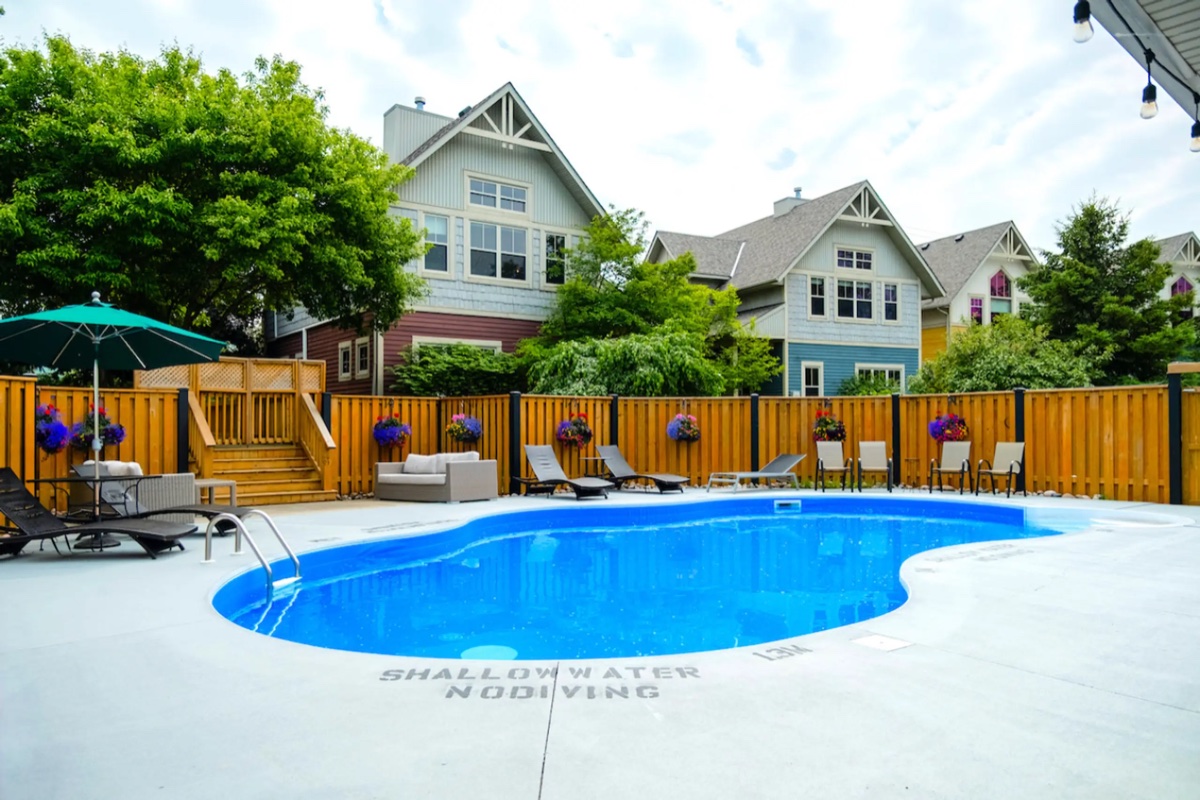
- What is outside the door? A road? A fenced area? Space to run? The property's geography is most of the dog's vacation — the answer on outdoor space for kids and dogs shows the questions applied.
- What surfaces are you dealing with? Hard floors and washable everything make relaxed dog stays; wall-to-wall carpet makes nervous ones.
- Are there resident-animal or allergy protocols? Relevant in both directions if anyone in the next group has allergies.
- What happens if the dog damages something? Deposit terms, stated plainly, protect both sides.
An operator who answers all seven in one reply is running a real pet program. Hesitation or improvisation tells you the "pet-friendly" badge is aspirational.
Where pet travel is easy in Ontario — and where it is not
The pet-logistics quality of a region is set by what surrounds the rental. Cottage-country lakes are glorious for water dogs, but many beaches and provincial park areas restrict dogs in summer — check the specific beach, not the region's vibe. Trail country is the safe bet everywhere: rail trails and conservation areas across the province allow leashed dogs nearly universally. Resort areas vary by operator; the southern Georgian Bay area is one of the stronger pockets, with dog-designated beaches, patios, and year-round trails — mapped in our Blue Mountain & Collingwood pet guide. That local depth is worth checking wherever you book: a genuinely pet-friendly region shows you a list like that; a merely tolerant one cannot.
Winter changes the pet math
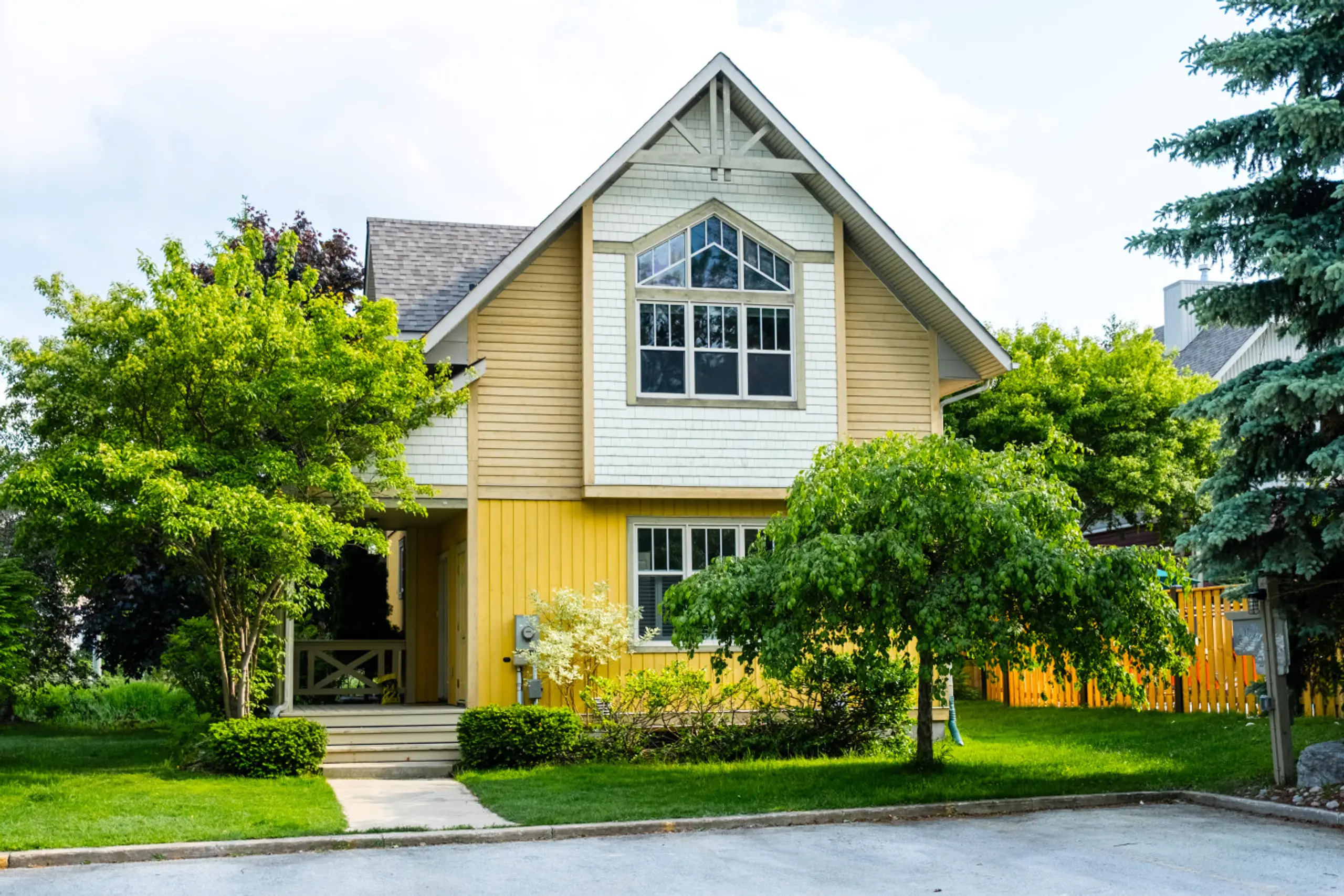
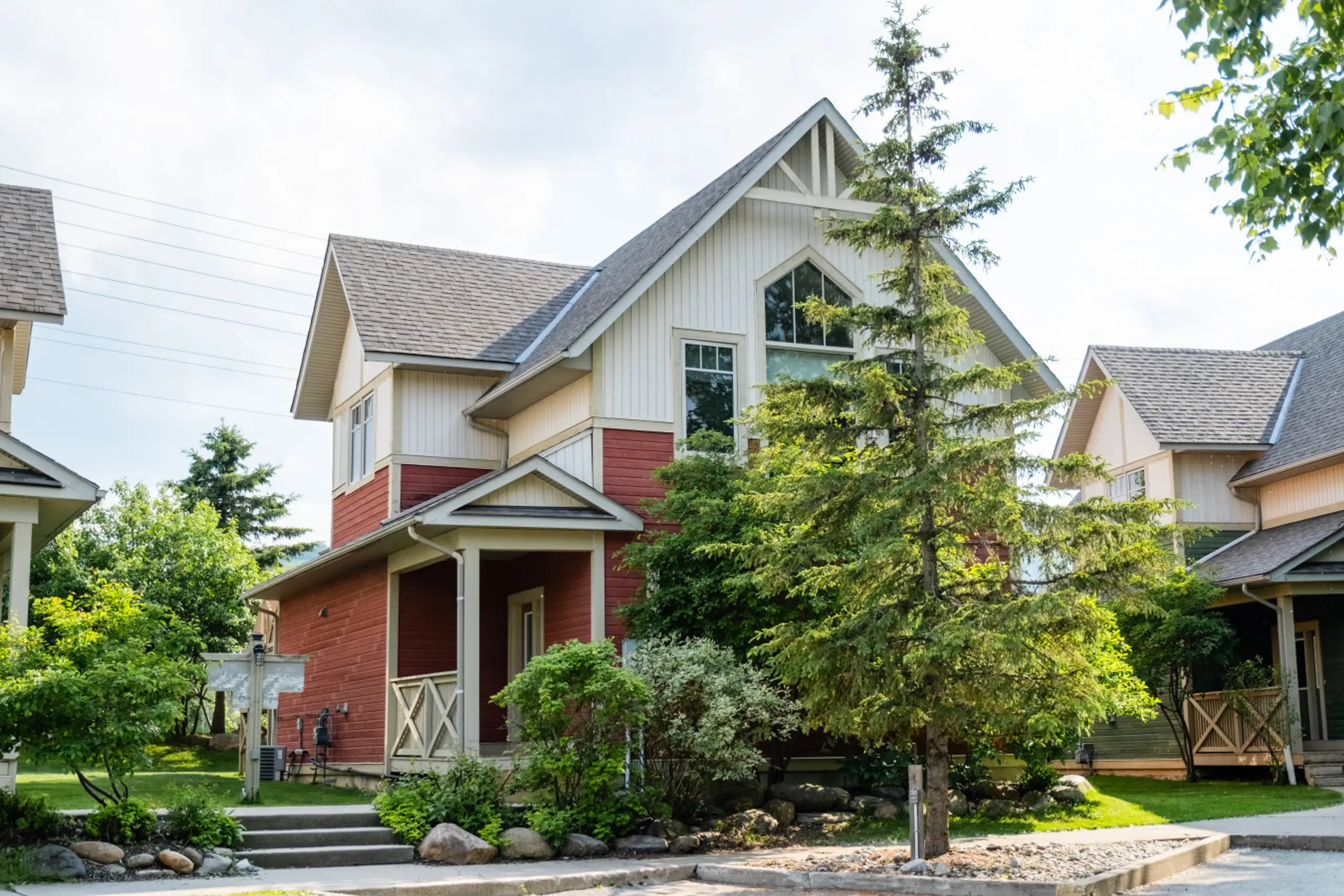
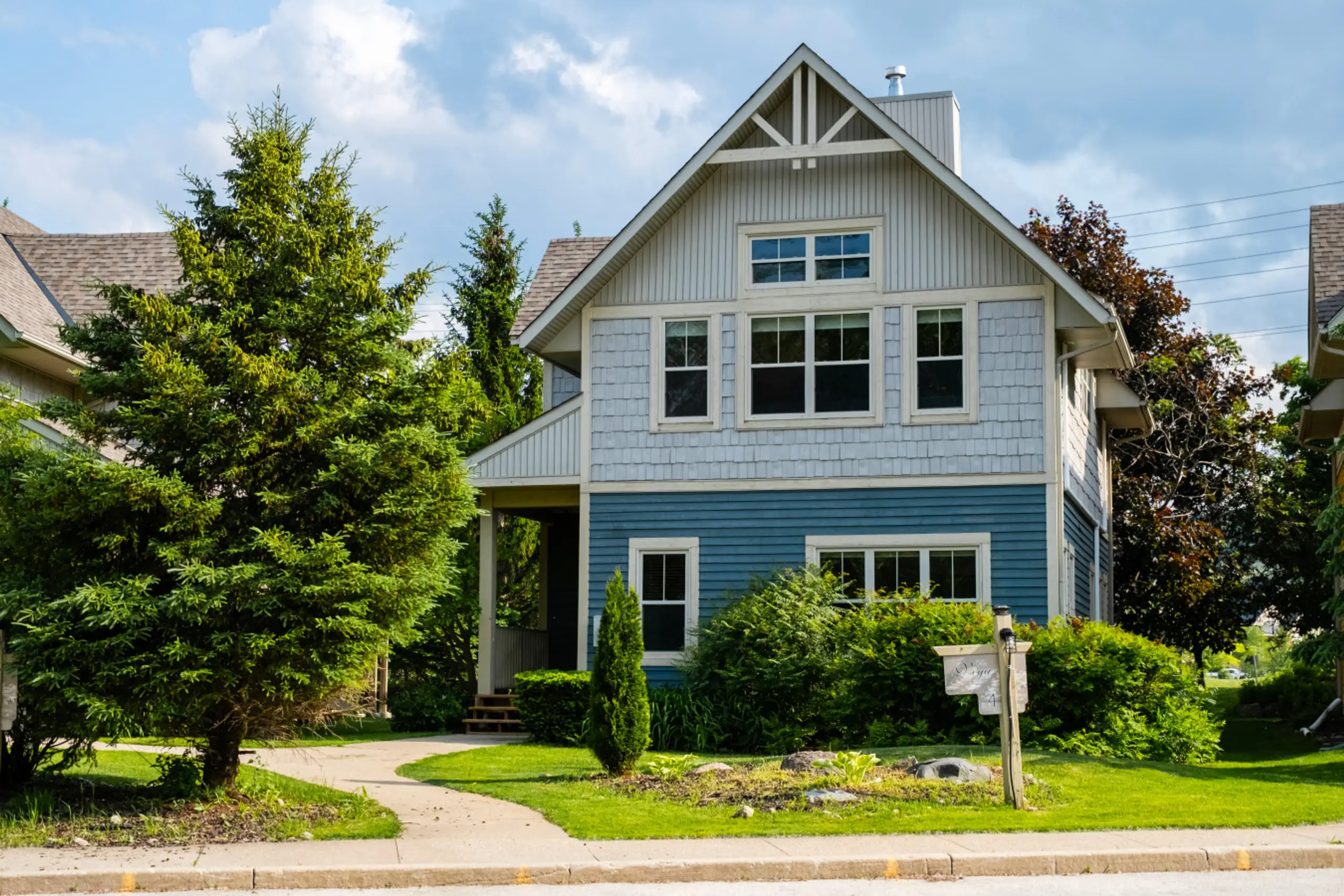
Summer pet trips are self-explanatory. Winter ones are underrated — snow dogs are the happiest dogs — but they add checks: is the outdoor area maintained in snow, are nearby trails walkable in January, and is there enough indoor space for a wet seventy-pound dog and your whole group at once? Whole-house rentals hold up better here than compact units; all ten of our chalets take dogs year-round (the pet-friendly collection lists them), which is less common across the province than you would hope in ski season.
The two-message vetting method
Before booking any Ontario cottage with a dog: message one asks the seven policy questions above; message two asks "what do dogs actually do near the property — trails, beaches, vets?" A prepared operator answers both concretely (for the second, a real answer names places — trails, beaches, and the nearest emergency vet; our own pet answer is the shape to look for). Two solid replies and you can book with confidence; two thin ones and the badge was marketing. The dog cannot read the listing — you are the due diligence.
Or call us at (416) 203-2057